
28 Aug 2026, 04:38 PM 2 min readhealthdeveloping
Delhi and Tamil Nadu Ramp Up Healthcare Response Amid H1N1 Surge
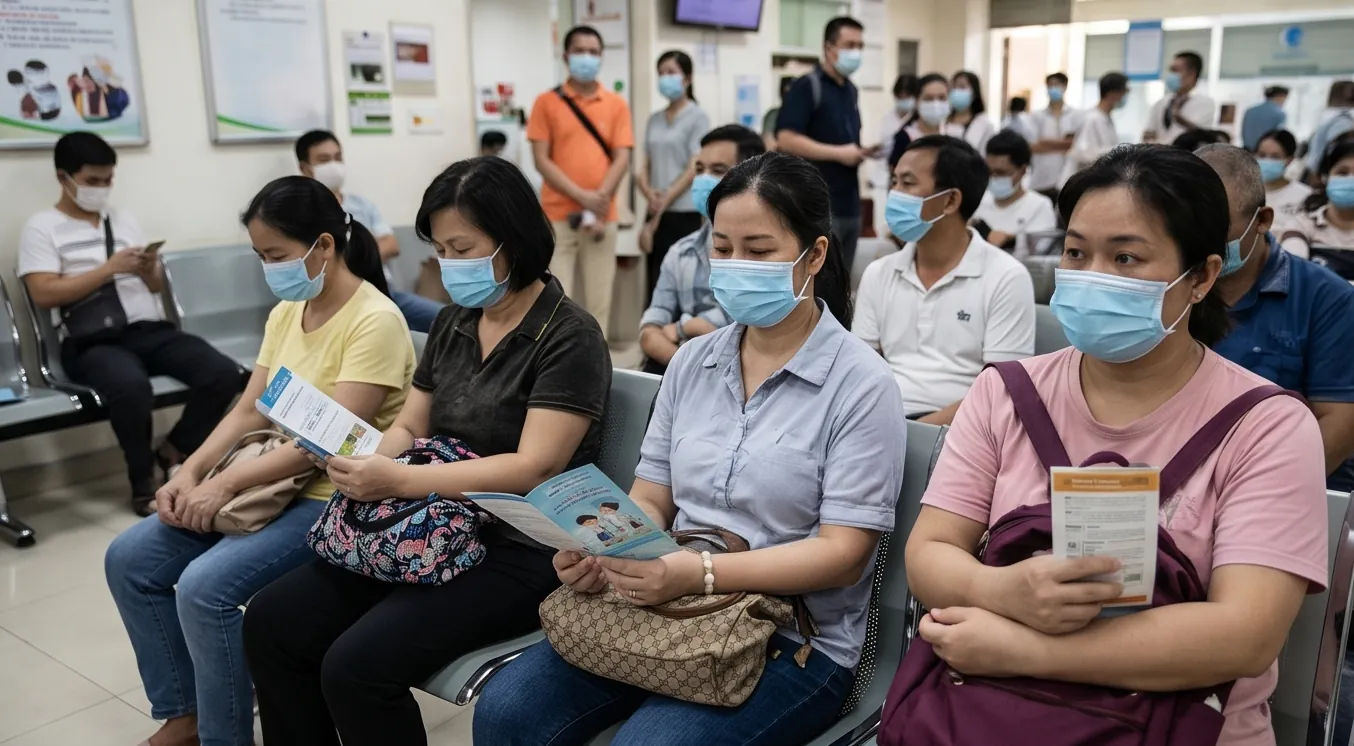
Regional H1N1 Surge Response:
Health authorities across India are scaling up medical preparedness as a seasonal spike in respiratory infections and vector-borne illnesses takes hold. In Delhi, where seasonal influenza infections have surpassed 2,400 cases, the Health Minister conducted an urgent hospital inspection to review isolation beds, oxygen supply, and testing kits. Concurrently, the Tamil Nadu government has deployed dedicated medical health teams to monitor and control the ongoing spread of Dengue and H1N1 viruses across high-risk districts throughout the state.
ICMR Clarification on Virus Strain:
Medical experts and the Indian Council of Medical Research (ICMR) have clarified that the recent increase in H1N1 cases represents a normal seasonal surge rather than the emergence of a novel pathogen or new viral strain. According to agency leadership, the familiar A(H1N1)pdm09 virus currently accounts for 98 percent of all Influenza A cases identified nationwide, with total influenza-A cases in Delhi crossing 3,100 as part of an expected annual pattern.
Government Directives and Public Advice:
State health departments have directed local hospitals to reserve specific isolation beds and strengthen surveillance protocols. Medical experts note that while most cases remain mild, the wave may linger longer in urban centers like Bengaluru compared to Delhi. Authorities advise the public to avoid self-medication with antibiotics, maintain hygiene practices, and seek prompt medical consultation for persistent viral symptoms, while emphasizing that vaccination remains critical for high-risk groups.
Pulse Intelligence
Context & ImpactContext & Background
- The H1N1 influenza A(H1N1)pdm09 virus has been a seasonal feature in India since the 2009 pandemic.
- Vector-borne and respiratory illnesses frequently surge across various Indian states during seasonal transition periods.
- Health agencies routinely monitor Influenza A subtypes to track mutation patterns and clinical severity.
Key Consequences
- State medical teams will increase surveillance and diagnostic testing in high-risk districts across Tamil Nadu and Delhi NCR.
- Public health advisories will remain active in metropolitan areas experiencing prolonged viral transmission.
- Pharmaceutical firms specializing in respiratory vaccines and antivirals may see increased short-term demand.
Market & Economic Impact
Pharmaceutical firms specializing in respiratory vaccines and antivirals may see increased short-term demand.
The Indus Pulse is committed to accuracy and transparency.