
August 15, 2026 at 09:39 AM 2 min readworlddeveloping
Afghanistan Women Face Severe Rights Crisis Five Years After Taliban Takeover
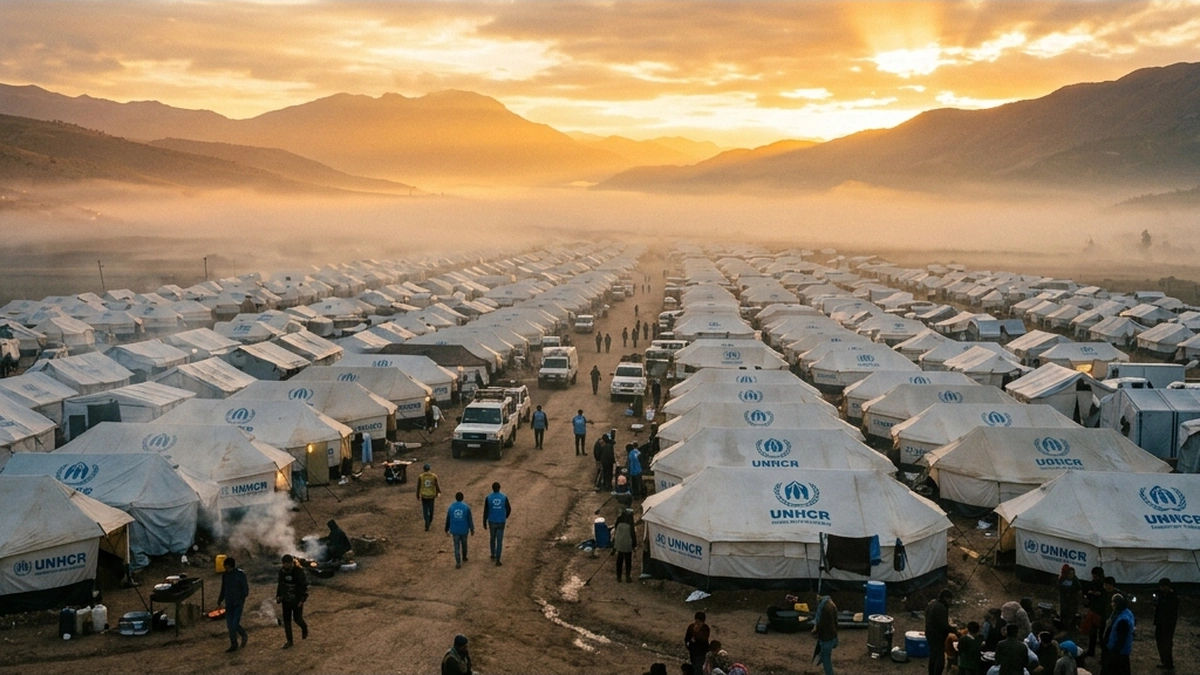
Five-Year Humanitarian Crisis:
Five years since the Taliban regained control in August 2021, the situation for women and girls in Afghanistan has deteriorated into the world's most severe rights crisis. UN agencies report that de facto authorities have issued over 100 decrees specifically aimed at restricting women's movement, education, and professional activities. As of 2026, an estimated 2.4 million girls are excluded from secondary education, leaving Afghanistan as the only country to formally bar women from advanced learning. Meanwhile, the Taliban marked this fifth anniversary while portraying themselves as entrenched, embattled, and defiant against international pressure.
Systemic Social Restrictions:
Life for women has become increasingly confined, with over 70% of women reporting poor or very poor mental health due to systemic isolation. Recent 2026 decrees have institutionalized discrimination by removing legal equality between genders, effectively subordinating women's legal standing to their husbands. Public spaces such as beauty salons, gyms, and swimming pools remain closed to women, and many feel unable to leave their homes without a male guardian. International organizations and media outlets have thoroughly documented these extensive socioeconomic regressions across the country over the five-year period.
International Financial Stagnation:
The humanitarian aid landscape is increasingly precarious as funding for women-focused programs faces significant shortfalls. The UN's $1.7 billion humanitarian appeal is currently only 25% funded, threatening the survival of over half of the existing women's organizations. Despite global criticism and the withdrawal of developmental support, regional powers continue to calibrate diplomatic strategies. India officially reaffirmed its longstanding ties with Afghanistan amid the fifth anniversary of the regime change, maintaining strategic diplomatic channels to address humanitarian and security concerns despite the complex political landscape in Kabul.
Pulse Intelligence
Context & ImpactContext & Background
- The Taliban took control of the Afghan government in August 2021 following the withdrawal of international forces.
- Successive decrees since 2021 have gradually eroded women's rights in employment, travel, and public life.
- Global governing bodies have consistently withheld formal recognition while imposing extensive sanctions on the administration.
Key Consequences
- Continued decline in the mental health and economic self-sufficiency of the female Afghan population.
- Likely closure of a majority of women's rights organizations within the next year due to funding shortages.
- Regional nations will maintain cautious diplomatic interactions to safeguard security interests and deliver humanitarian aid.
Market & Economic Impact
No direct market impact, but regional stability risks remain high for South Asia.
The Indus Pulse is committed to accuracy and transparency.