
August 5, 2026 at 09:33 AM 2 min readindiadeveloping
Supreme Court Advises State Restraint Amid Student Protest Hearings
Judicial Perspective on Youth:
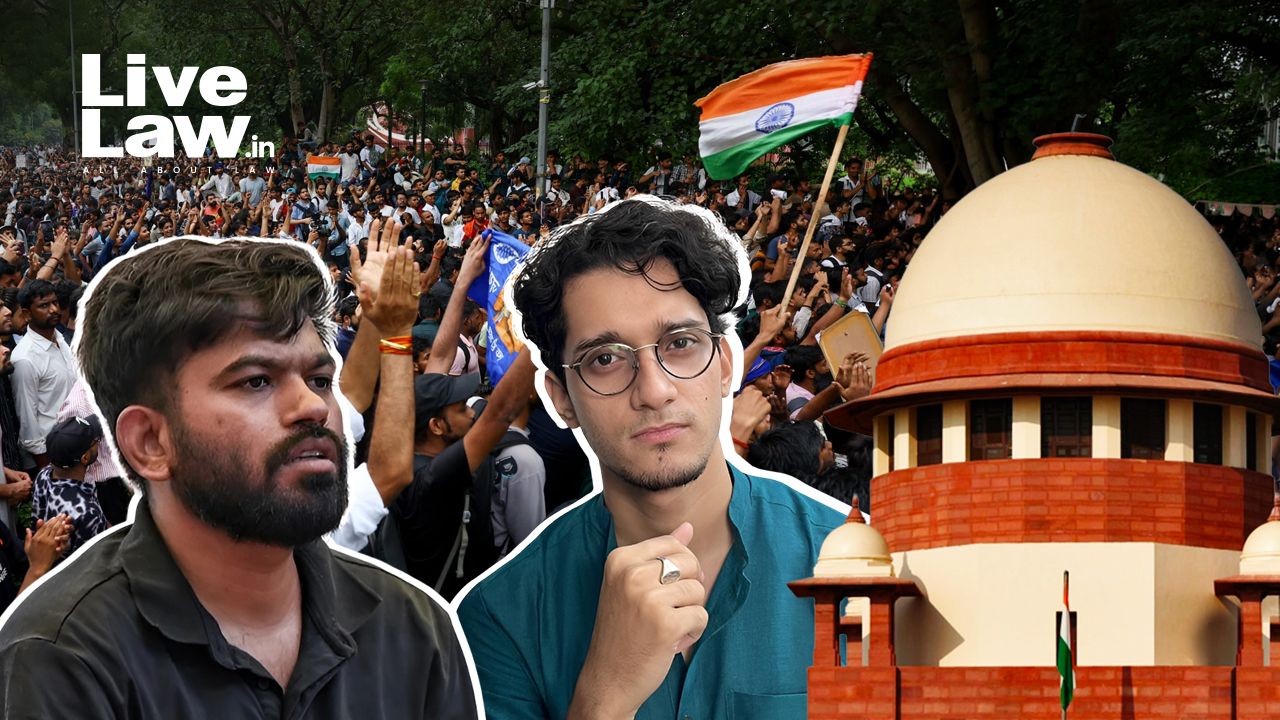
The Supreme Court of India cautioned on August 5, 2026, that state aggression can often aggravate civil unrest rather than contain it. During a hearing on a plea regarding the withdrawal of rioting cases against student protesters, the bench noted that "listening to youth" is the most effective force to prevent escalation. The court emphasized that the government must distinguish between criminal intent and the idealistic fervor of students, advising administrative bodies to adopt a more conciliatory approach when dealing with agitations related to academic and national issues.
Gen Alpha and Beta Concerns:
The hearing was sparked by a petitioner who urged the court not to allow a blanket withdrawal of cases, warning that future generations, including Gen Alpha and Beta, would learn that lawbreaking carries no consequences. The petitioner argued that allowing students to escape legal scrutiny for violent acts would set a dangerous precedent for future social order. However, the court balanced this by observing that heavy-handed police action against Gen Z students involved in NEET-UG protests often serves to radicalize the youth rather than instill a respect for the law.
Impact on Protest Management:
This judicial stance signals a potential shift in how Indian security forces will handle student-led demonstrations in the future. By advocating for dialogue over repression, the Supreme Court is pushing for the institutionalization of grievance redressal mechanisms that engage with young citizens before protests turn violent. The bench reiterated that force should be used with extreme restraint and that the state's primary role should be to understand the underlying causes of student frustration, particularly regarding competitive examinations and career security, to maintain long-term social harmony.
Pulse Intelligence
Context & ImpactContext & Background
- Large-scale student protests broke out across India earlier this year following irregularities in the NEET-UG medical entrance examination.
- The Supreme Court has been increasingly vocal about balancing the state's need for order with the constitutional right to peaceful protest, especially for the younger demographic.
Key Consequences
- Police protocols for managing student agitations are likely to be reviewed to ensure greater restraint and the use of non-lethal methods.
- State governments may move to withdraw minor cases against students to comply with the court's advisory on conciliatory governance.
Market & Economic Impact
No direct market impact, though social stability achieved through dialogue can improve the overall investment climate in urban educational hubs.
The Indus Pulse is committed to accuracy and transparency.