
20 Aug 2026, 11:18 PM 2 min readindiaanalysis
Supreme Court Rules Caste Abuse in Private Spaces Not SC/ST Act Offence
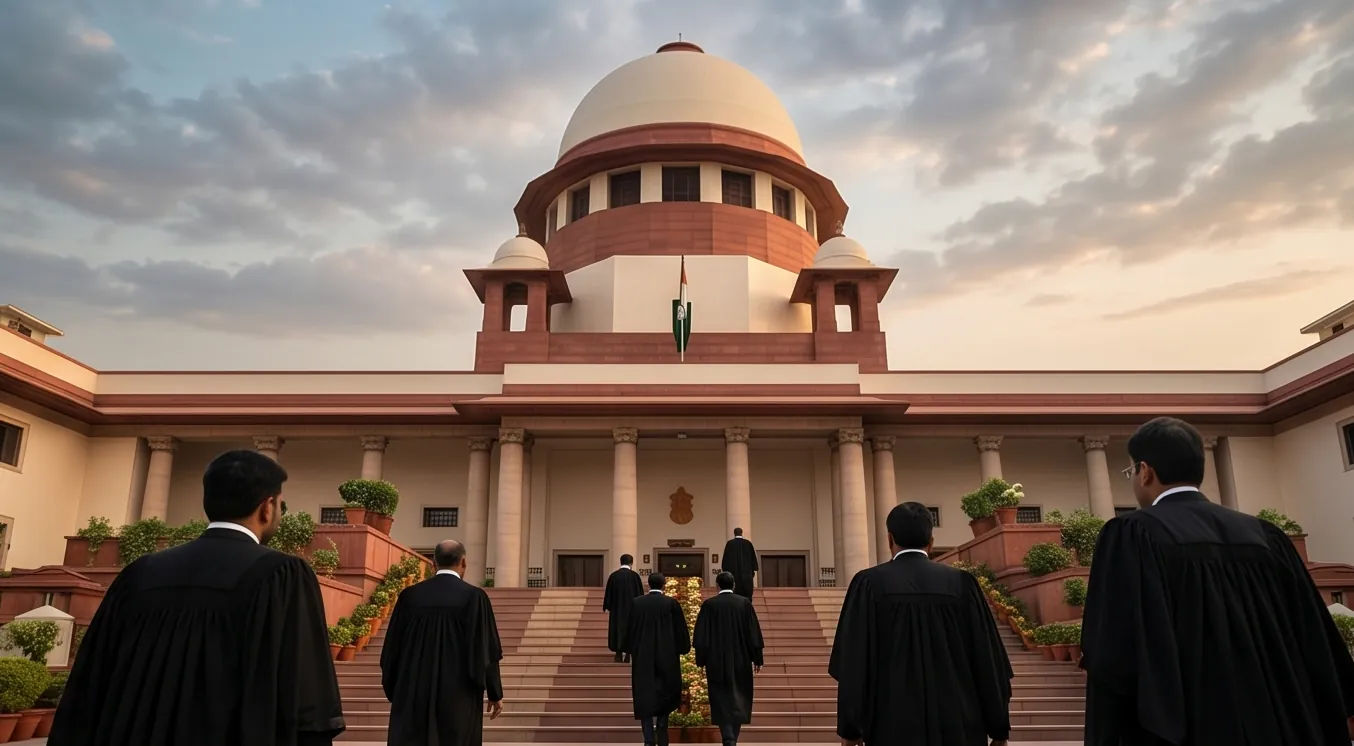
Supreme Court Legal Interpretation:
The Supreme Court of India has delivered a landmark clarification regarding the Scheduled Castes and the Scheduled Tribes (Prevention of Atrocities) Act. The bench ruled that caste-based verbal abuse hurled at an individual within the confines of an enclosed space—such as a private room or a home—does not automatically constitute an offence under the Act. The court emphasized that the legal threshold requires the insult or intimidation to take place in a location within public view to be prosecutable under the specific provisions of the Atrocities Act.
Public View vs. Private Domain:
This decision stems from a case where the petitioner argued that the alleged derogatory remarks were made in a setting where no members of the general public were present. The apex court noted that the legislative intent of the SC/ST Act was to protect marginalized communities from public humiliation and systemic oppression. By distinguishing between private disputes and public acts of discrimination, the court aims to prevent the potential misuse of the stringent law in personal conflicts that do not meet the statutory requirement of being witnessed by the public.
Impact on Legal Precedents:
This ruling provides a vital guideline for lower courts and police departments across India when registering First Information Reports (FIRs) under the SC/ST Act. It ensures that the specific context and location of an alleged crime are thoroughly scrutinized before applying the Act's non-bailable provisions. For the average Indian citizen, this serves as a reminder of the importance of evidentiary requirements in criminal law. Legal experts suggest this will likely lead to a more nuanced approach in cases where private verbal spats are escalated into caste-related criminal charges.
Pulse Intelligence
Context & ImpactContext & Background
- The SC/ST Act was enacted in 1989 to prevent atrocities and hate crimes against Scheduled Castes and Scheduled Tribes.
- Previous judgments have often debated the definition of public view, sometimes including places like a private balcony visible to the street.
Key Consequences
- Police will likely require witness statements from third parties before filing charges for verbal abuse under the SC/ST Act.
- Pending cases involving abuse within private residences may see applications for quashing in various High Courts.
Market & Economic Impact
No direct market impact.
The Indus Pulse is committed to accuracy and transparency.