
August 7, 2026 at 04:20 AM 2 min readindiaevergreen
Supreme Court Declares Safe Footpaths a Fundamental Citizen Right
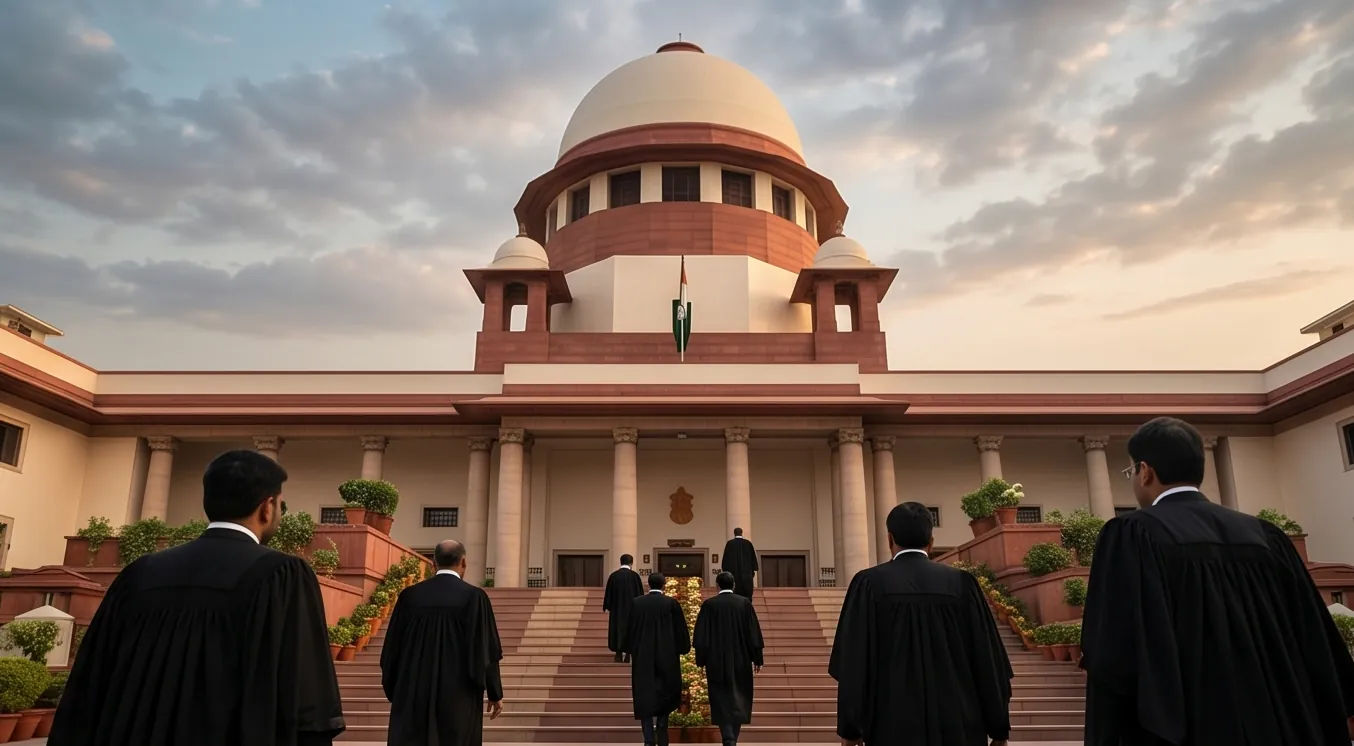
Supreme Court Pedestrian Rights Ruling:
The Supreme Court of India has issued a landmark directive recognizing the 'Right to Walk' as an essential component of urban life and a fundamental right under the Constitution. The judiciary directed authorities to prioritize the demarcation of encroachment-free footpaths, emphasizing that while India remains a nation of walkers, urban planning has consistently prioritized vehicular movement over human mobility. The court mandated that central and state governments ensure citizens have access to safe and well-maintained footpaths.
Urban Planning and Encroachment Failures:
The apex court highlighted the severe state of infrastructure in major cities where footpaths are either non-existent or blocked by illegal encroachments, stalls, and parked vehicles. Reports from various states, including Rajasthan, indicate that municipal efforts to clear footpaths remain largely ineffective despite previous judicial pushes. Urban design experts and the court noted that the lack of safe walking spaces forces pedestrians onto main roads, directly contributing to high rates of road accidents.
Governance and Future Development:
This judicial intervention requires a significant overhaul of how Indian municipalities and town planning departments operate. Local authorities are now legally bound to incorporate pedestrian infrastructure in future urban development projects and strictly enforce anti-encroachment laws. The ruling is expected to enhance urban accessibility and safety for millions, forcing a shift away from car-centric development models that have long dominated Indian cities.
Pulse Intelligence
Context & ImpactContext & Background
- The Supreme Court has consistently raised concerns about the lack of safe pedestrian walkways in major Indian cities.
- Pedestrians account for a significant percentage of road fatalities in India due to the absence of dedicated walking tracks.
- Reports indicate that despite previous orders, footpaths in cities like Jaipur remain blocked by illegal encroachments.
Key Consequences
- Municipal corporations will face increased pressure and potential contempt of court if they fail to remove encroachments.
- New urban development projects will see stricter guidelines and mandatory budget allocations for pedestrian safety and accessibility.
- Urban mobility strategies will shift to include pedestrian-inclusive design across major metropolitan areas.
Market & Economic Impact
Potential increase in government spending on urban infrastructure and a boost for sustainable urban transport sectors.
The Indus Pulse is committed to accuracy and transparency.