
August 4, 2026 at 01:52 AM 2 min readindiabreaking
Supreme Court Directs Formation Of National Task Force For Doctors
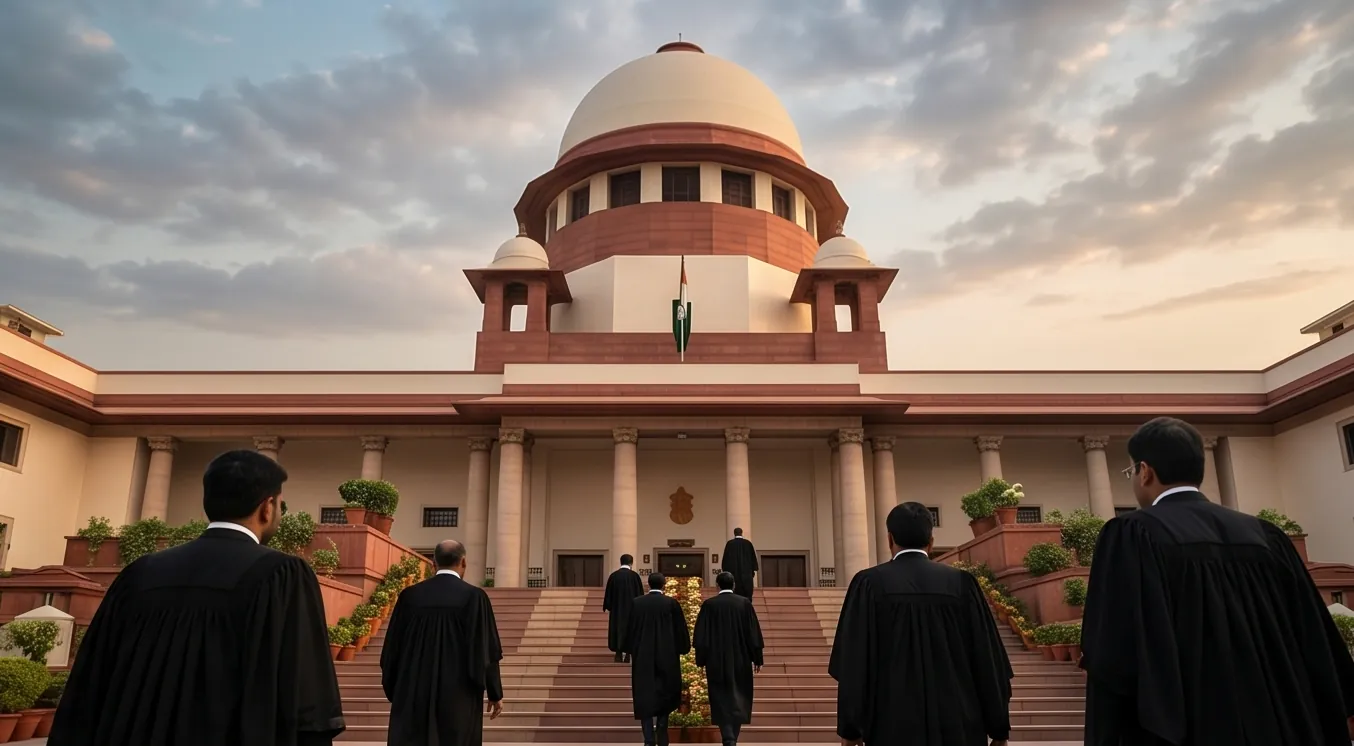
National Task Force Mandate:
The Supreme Court of India has ordered the constitution of a National Task Force to formulate a comprehensive protocol for the safety and security of medical professionals nationwide. This directive follows widespread protests by medical associations demanding stricter safety measures after the tragic incident at RG Kar Medical College in Kolkata. The bench, led by the Chief Justice of India, emphasized that the task force will include members from the medical fraternity and government officials to ensure that the grievances of healthcare workers are addressed with professional rigor.
Systemic Healthcare Concerns:
The court acknowledged that existing institutional frameworks have failed to protect doctors, particularly women, from violence and harassment in workplace environments. The ongoing unrest reflects years of neglect regarding basic infrastructure, such as secure resting areas and restricted access zones in state-run hospitals. Previous committees established to address similar concerns lacked the enforcement power necessary to implement meaningful change, leading to a recurrence of safety failures across various state health departments.
Implications for Clinical Safety:
The formation of this task force signals a pivotal shift toward federal oversight in matters concerning the physical security of hospital staff. Healthcare institutions across India now face the prospect of mandatory safety audits and the immediate deployment of central security personnel if deemed necessary by the new protocol. The court has requested a preliminary report within three weeks, setting a strict timeline for the government to stabilize the volatile atmosphere currently gripping public health facilities across the country.
Pulse Intelligence
Context & ImpactContext & Background
- Massive protests erupted nationwide following the rape and murder of a trainee doctor at RG Kar Medical College in Kolkata.
- Medical associations have long campaigned for a central law to protect healthcare workers from violence in clinical settings.
Key Consequences
- Hospitals will likely see a surge in security personnel deployment and the installation of biometric access controls.
- The central government must fast-track the implementation of standard operating procedures for hospital safety nationwide.
Market & Economic Impact
Healthcare sector stocks may face short-term volatility as institutions reconcile with potential increased security and infrastructure compliance costs.
The Indus Pulse is committed to accuracy and transparency.