
21 Aug 2026, 03:08 PM 2 min readindiabreaking
Supreme Court Reduces Mandatory Legal Practice Requirement for Junior Judges to One Year
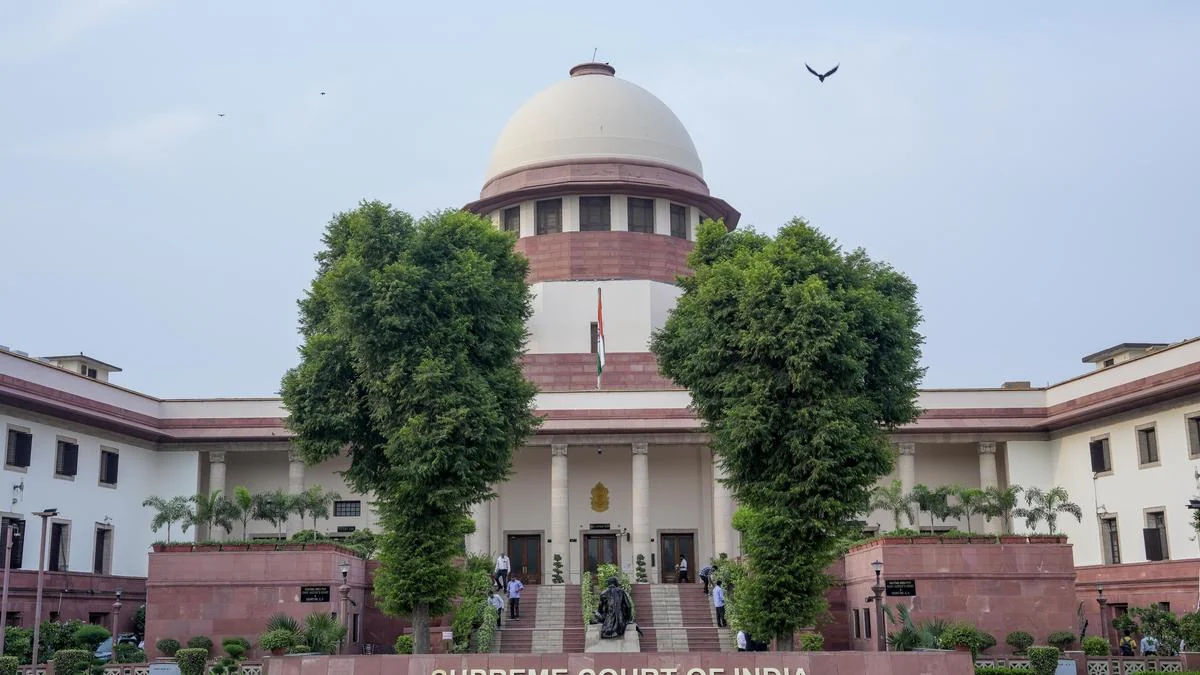
[Judicial Recruitment Overhaul]:
The Supreme Court of India has modified eligibility rules for entry-level judicial service exams by reducing the mandatory legal practice requirement for civil judges from three years to one year. This landmark verdict aims to speed up the hiring process and fill persistent vacancies in lower courts while maintaining tough selection standards.
[Restructured Training Framework]:
To balance the reduced field experience, the court added a structured post-selection training process. Selected candidates must spend one year as trainee judicial officers, undergoing specialized academy training and completing a structured clerkship before presiding over court proceedings.
[Future Implications for Legal Practice]:
This ruling is expected to trigger a surge in applications from young law graduates across multiple states. Legal experts believe it offers a clearer career path, modernizes the lower judiciary, and ultimately helps tackle the massive backlog of pending cases.
Pulse Intelligence
Context & ImpactContext & Background
- Previously, most Indian states required a minimum of three years of active legal practice to appear for the Civil Judge (Junior Division) examination.
- The three-year practice rule was originally introduced to ensure that judicial officers had sufficient courtroom experience before adjudicating cases.
- The Indian judiciary has been struggling with a massive backlog of millions of cases, partly due to persistent vacancies in the district and subordinate courts.
Key Consequences
- A significantly larger pool of young law graduates will now be eligible to apply for judicial positions immediately after one year of practice.
- State judicial academies will need to expand their infrastructure to accommodate the new mandatory one-year training and clerkship programs.
- Law schools may see an increased interest in judicial service coaching as students can now realistically aim for the bench much earlier in their careers.
Market & Economic Impact
No direct market impact, though improved judicial efficiency may lead to faster resolution of commercial disputes in the long term.
The Indus Pulse is committed to accuracy and transparency.