
18 Aug 2026, 03:03 PM 2 min readindiaanalysis
Supreme Court Retains Hanging for Death Penalty: Rejects Lethal Injection Plea
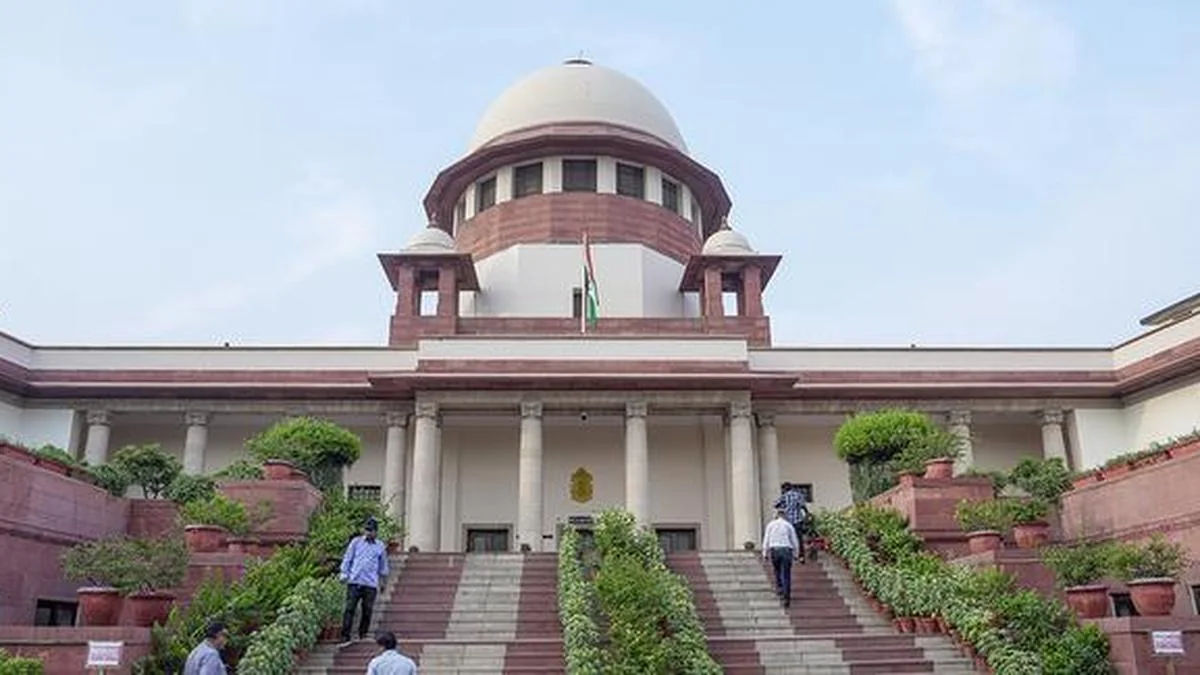
Judicial Ruling on Execution:
The Supreme Court of India has dismissed a petition seeking the abolition of hanging as a method of execution for death row convicts. The petitioner argued that hanging is "brutal and painful," suggesting alternatives like intravenous lethal injection, shooting, electrocution, or the use of gas chambers. However, the bench ruled that there is no conclusive scientific evidence to prove these alternative methods are more humane or less painful than the current procedure.
Legal and Constitutional Context:
The court emphasized that the method of execution is a matter of legislative policy. It noted that the existing procedure of "hanging by the neck until dead" has been part of Indian law for decades and has survived previous constitutional challenges. The court highlighted that methods like lethal injection often face complications, such as difficulty in finding veins or the failure of drugs, which can lead to prolonged suffering. The ruling reinforces the state's authority to determine the most effective and reliable method for carrying out capital punishment.
Future Review Possibilities:
While dismissing the current plea, the Supreme Court left the door open for future scientific reviews if more data becomes available. The Union government remains free to examine more sophisticated or humane methods as technology evolves. This decision ensures that there will be no immediate change to how the death penalty is administered in India. For the average citizen, this confirms the status quo for the most severe legal penalty. The single most important signal to watch for will be any future government-led committee report on execution standards.
Pulse Intelligence
Context & ImpactContext & Background
- The constitutionality of hanging was previously upheld by the Supreme Court in the landmark 1983 Deena v. Union of India case.
- Global trends have seen many countries shift toward lethal injection, though recent medical controversies in the US have sparked debate about its efficacy.
Key Consequences
- Execution protocols in Indian prisons will remain unchanged, with hanging remaining the sole legal method for civilian death sentences.
- The ruling may discourage similar public interest litigations (PILs) on execution methods for the foreseeable future.
Market & Economic Impact
No direct market impact.
The Indus Pulse is committed to accuracy and transparency.