
20 Aug 2026, 06:06 AM 2 min readindiaanalysis
SC Acquits Staffers in 30-Year Battle Over ₹20 Bribe Case
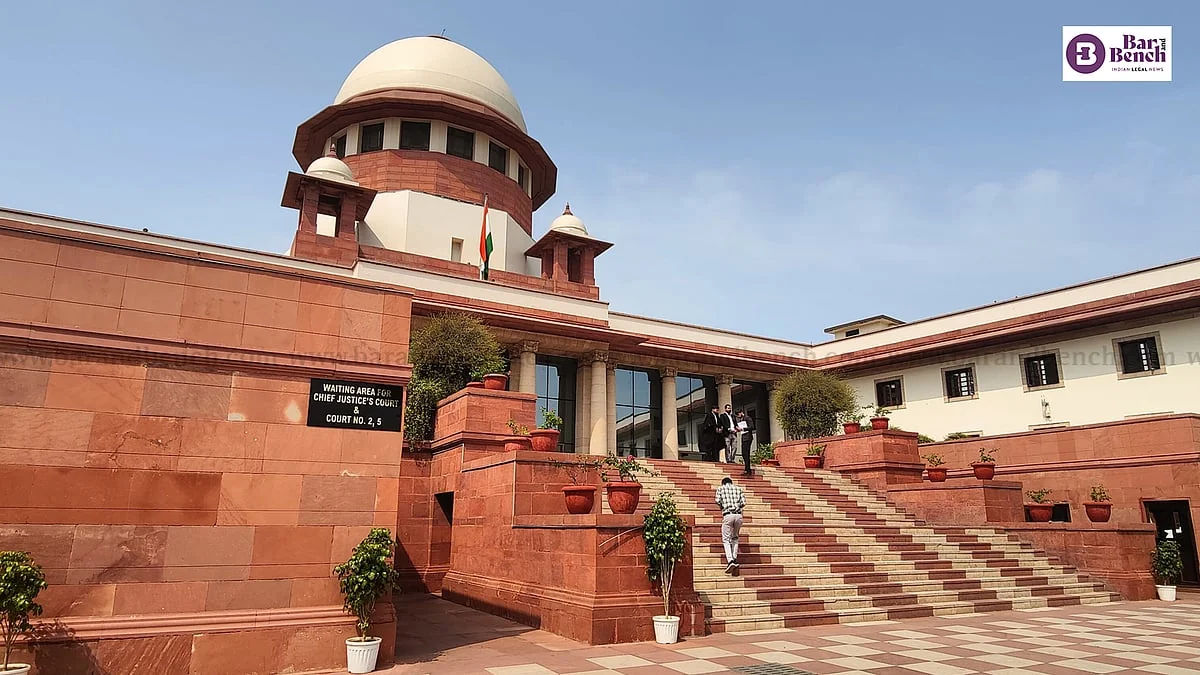
End of Three-Decade Struggle:
The Supreme Court of India has acquitted two government employees in a corruption case that spanned over 30 years and involved a bribe of just ₹20. The apex court set aside previous convictions, bringing an end to a legal battle that began in the mid-1990s. The bench noted that the mere recovery of tainted money is insufficient for conviction under the Prevention of Corruption Act without clear evidence of a demand for the bribe. This ruling highlights the extreme delays in the Indian judicial system for relatively minor financial disputes. The staffers, who have spent a significant portion of their lives under the shadow of these charges, are now legally cleared of all wrongdoing.
Legal Precedent on Bribery:
The court emphasized that a statutory presumption under Section 20 of the Prevention of Corruption Act only applies after an initial demand is proven. In this specific case, the prosecution failed to establish that the employees had explicitly asked for the money. The judges clarified that recovery of currency notes by a trap party does not automatically equate to guilt if the demand is not verified. This clarification is expected to impact numerous pending corruption cases where physical recovery was the primary evidence. The judgment reinforces the principle that the burden of proof for the "demand" of a bribe lies strictly with the prosecution.
Judicial Efficiency Concerns:
The acquittal underscores a broader crisis of judicial pendency and the cost of litigation in India. Three decades of legal proceedings for a ₹20 dispute represents a massive expenditure of public resources and personal hardship for the accused. Legal experts argue that such cases should be fast-tracked or settled through alternative dispute resolution to prevent the backlog of the higher judiciary. The ruling serves as a reminder of the need for systemic reforms to ensure that minor corruption allegations do not result in lifelong legal entanglements. For the average citizen, it illustrates the high bar for evidence required in corruption cases despite the long road to justice.
Pulse Intelligence
Context & ImpactContext & Background
- The Prevention of Corruption (PC) Act is the primary legislation in India used to prosecute public officials for bribery.
- India's judicial system currently has a backlog of over 50 million cases, with many low-value corruption trials lasting several decades.
Key Consequences
- This ruling will likely lead to the acquittal of other officials in cases where the prosecution cannot prove an explicit demand for money.
- The case may revive debates on establishing special courts for high-speed resolution of minor administrative corruption charges.
Market & Economic Impact
No direct market impact, but the ruling provides greater legal clarity for public sector employees regarding corruption charges.
The Indus Pulse is committed to accuracy and transparency.