
Health Desk July 17, 2026 at 10:16 AM 2 min readhealthNews Insights
Strengthening India's Diagnostic Infrastructure For Future Health Resilience
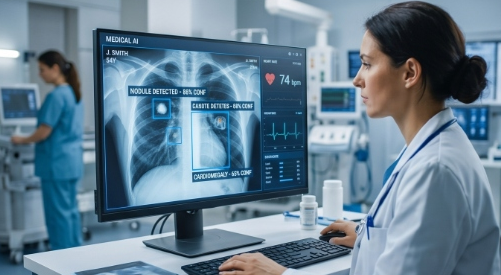
[Diagnostic Capacity Expansion]:
The expansion of diagnostic infrastructure remains a critical pillar of India's long-term health strategy. As per recent government initiatives, the focus is on decentralizing testing capabilities to ensure that even remote areas have access to rapid diagnostic services. This approach is designed to reduce the time between symptom onset and clinical diagnosis, which is crucial for effective disease management and containment.
[Technological Integration]:
The integration of advanced diagnostic technologies is being supported by research institutions to improve the accuracy and speed of testing. According to ICMR, the adoption of molecular diagnostic tools and point-of-care testing kits is being encouraged to streamline the diagnostic process. These technological advancements are expected to play a significant role in managing both communicable and non-communicable diseases, providing clinicians with the data needed for timely and targeted interventions.
[Community Health Initiatives]:
Beyond infrastructure, the government is focusing on community-based health initiatives to promote early screening and preventive care. By leveraging the network of primary health centers, authorities aim to reach a broader segment of the population. As per MoHFW data, these initiatives are essential for reducing the burden on tertiary care facilities. The ongoing commitment to upgrading health facilities and training personnel ensures that the healthcare system remains responsive to the evolving needs of the population, fostering a more resilient health ecosystem for the future.
Pulse Intelligence
Context & ImpactContext & Background
- The government has been actively promoting the decentralization of diagnostic services across India.
- ICMR has been instrumental in validating new diagnostic technologies for widespread clinical use.
- Primary health centers are being upgraded to serve as the first line of defense in disease screening.
Key Consequences
- Improved diagnostic access will likely lead to earlier treatment and better health outcomes for patients.
- Reduced pressure on tertiary hospitals is expected as primary care centers take on more diagnostic roles.
- Increased adoption of point-of-care testing will enhance the efficiency of public health responses.
Market & Economic Impact
Not applicable.