
18 Aug 2026, 01:07 PM 2 min readworldbreaking
Strait of Hormuz Vessel Strike: Crew Injured Amid Rising West Asia War Tensions
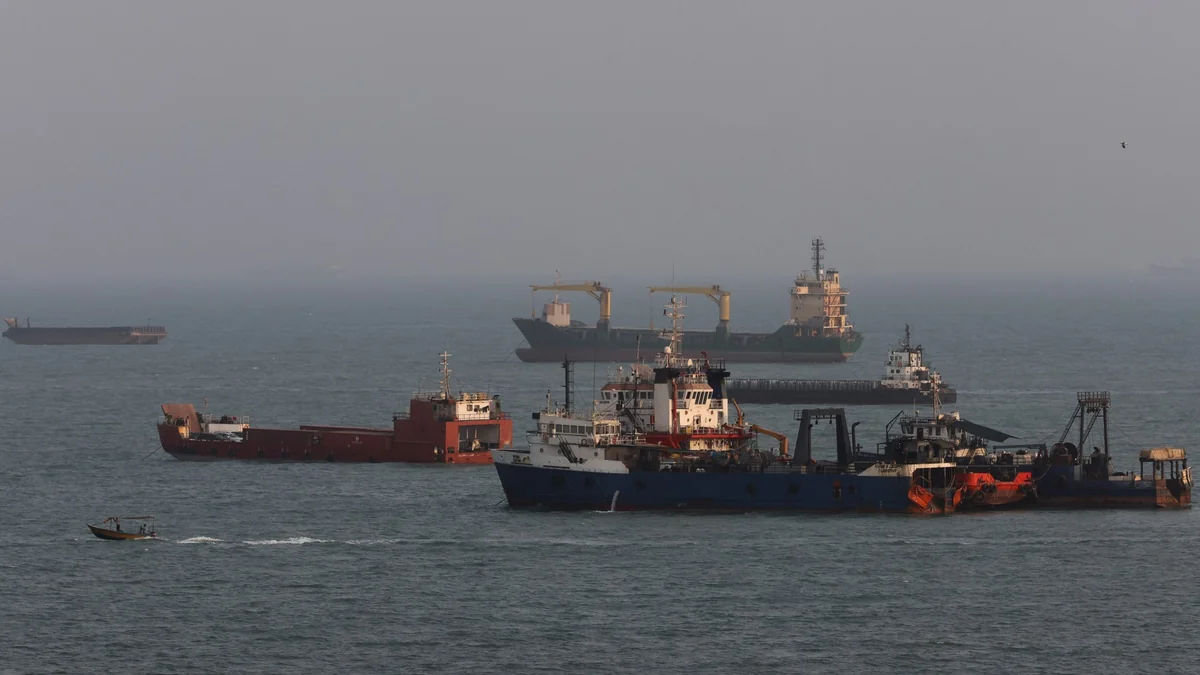
Hormuz Vessel Attack:
A commercial merchant vessel was struck by an unidentified projectile in the high-stakes Strait of Hormuz on August 18, 2026, leaving at least one crew member injured. The United Kingdom Maritime Trade Operations first reported the incident, confirming that the ship suffered physical damage but remains operational. Emergency response teams quickly established contact with the vessel to coordinate security. This dangerous strike marks a serious escalation in maritime hostilities in West Asia, directly threatening the safety of international commercial shipping. The incident has triggered fresh panic among global shipping lines operating in the region.
US-Iran Standoff Escalates:
This maritime attack coincides with a dramatic rise in geopolitical friction between Washington and Tehran. US officials recently claimed military control over key corridors in the Hormuz Strait after Donald Trump rejected an extension of a critical security memorandum of understanding. The collapse of these bilateral talks has triggered a rapid military buildup in the Persian Gulf. Naval authorities warn that both state and non-state actors are increasingly utilizing asymmetric drone and missile strikes to disrupt the global flow of commerce. Commercial vessels are now advised to exercise extreme caution and maintain high-alert protocols.
Severe Indian Trade Impact:
The unfolding crisis carries deep economic consequences for India, which relies on the Persian Gulf for over sixty percent of its crude oil imports. The Indian Ministry of External Affairs and maritime agencies are actively evaluating the security situation to protect domestic cargo ships. A prolonged conflict in the Strait of Hormuz will trigger a sharp rise in war-risk insurance premiums for Indian freight operators. This disruption could ultimately inflate domestic fuel prices and complicate India's energy supply chains. Indian shipping companies may soon reroute their fleets if the security situation deteriorates further.
Pulse Intelligence
Context & ImpactContext & Background
- Tensions in West Asia have escalated following several high-profile maritime standoffs in the Persian Gulf.
- International naval forces previously established coalition patrols to secure commercial shipping lanes in the region.
Key Consequences
- Global shipping insurance rates for transit through the Strait of Hormuz will likely increase immediately.
- Indian cargo vessels may face longer transit times if they decide to reroute around alternative sea lanes.
Market & Economic Impact
Persistent threats in the Strait of Hormuz are expected to drive global crude oil prices higher, increasing import costs for Indian public sector oil marketing companies.
The Indus Pulse is committed to accuracy and transparency.