
August 14, 2026 at 06:20 PM 2 min readindiaanalysis
States' Mining and Coal Revenue Surges Since 2014 Policy Shift
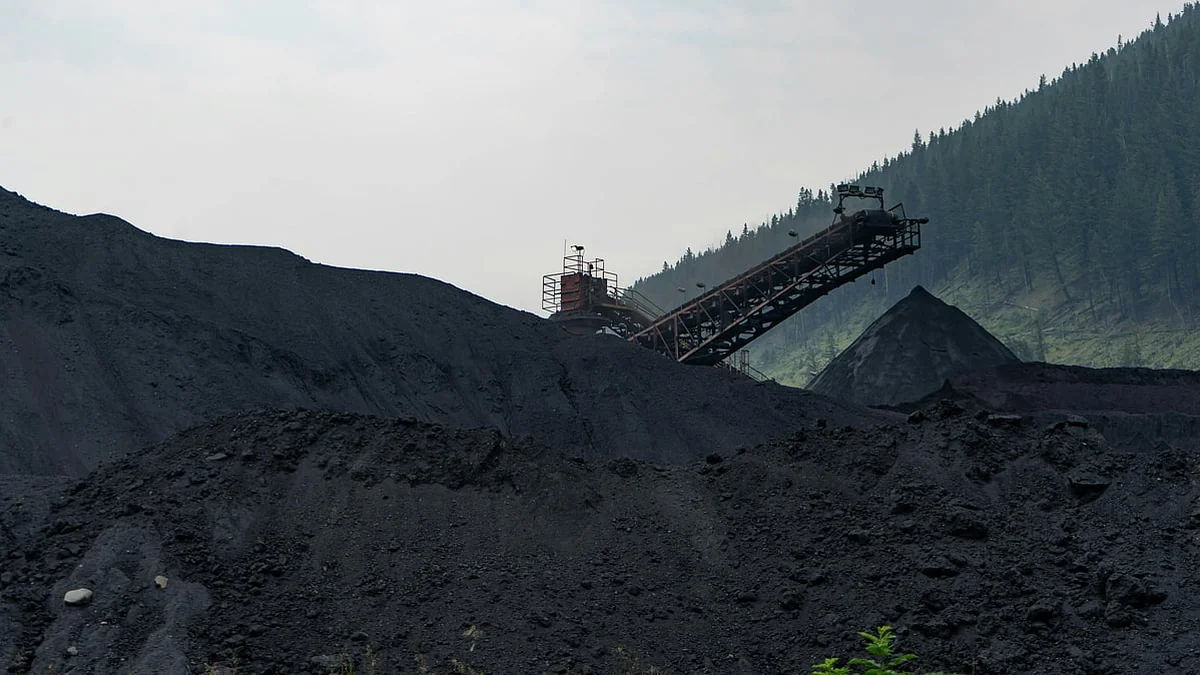
Mining Revenue Surge:
Indian states have experienced a significant surge in revenue from the mining and coal sectors since the 2014-15 fiscal year. Government data indicates that the transition to more transparent allocation processes has directly benefited state exchequers across the country. This increase in funds has provided states with more fiscal space to invest in infrastructure and social welfare programs. The growth is largely attributed to the shift toward auctioning mineral and coal blocks, which replaced the older, more discretionary allocation systems that were frequently criticized for lack of transparency.
Legislative Reform Progress:
A new bill aimed at further streamlining the mining sector has successfully cleared both houses of Parliament. The Lok Sabha passed the legislation on Wednesday, followed by the Rajya Sabha on Thursday, marking a critical step in the ongoing reform of India's natural resource management. This bill is now awaiting the President's assent to become law. The legislation is expected to further enhance the ease of doing business in the mining sector and encourage more private participation, which officials believe will continue the upward trend in state-level revenues from these industries.
National Economic Impact:
The continued growth of the mining and coal sectors is vital for India's energy security and industrial expansion. By increasing the revenue generated at the state level, the central government has effectively decentralized the economic benefits of natural resources. For the average citizen, this translates into better-funded state projects and a more robust domestic supply of essential raw materials. As the new bill takes effect, the focus will remain on balancing rapid industrial growth with environmental sustainability and the rights of local communities residing in mineral-rich belts.
Pulse Intelligence
Context & ImpactContext & Background
- The 2014 Supreme Court judgment cancelling coal block allocations led to a complete overhaul of how natural resources are distributed in India.
- The MMDR (Mines and Minerals Development and Regulation) Amendment Acts have been the primary vehicles for these structural reforms.
Key Consequences
- States like Odisha, Chhattisgarh, and Jharkhand are expected to see continued budget surpluses due to high auction premiums.
- The new law will likely lead to an increase in domestic coal production, reducing India's reliance on expensive imports.
Market & Economic Impact
Positive for mining equipment manufacturers and coal-dependent industries like power and steel; neutral for major mining stocks already priced in.
The Indus Pulse is committed to accuracy and transparency.