
August 13, 2026 at 12:14 PM 2 min readaianalysis
Stanford AI Virus Study Triggers Global Biosecurity Safeguard Calls
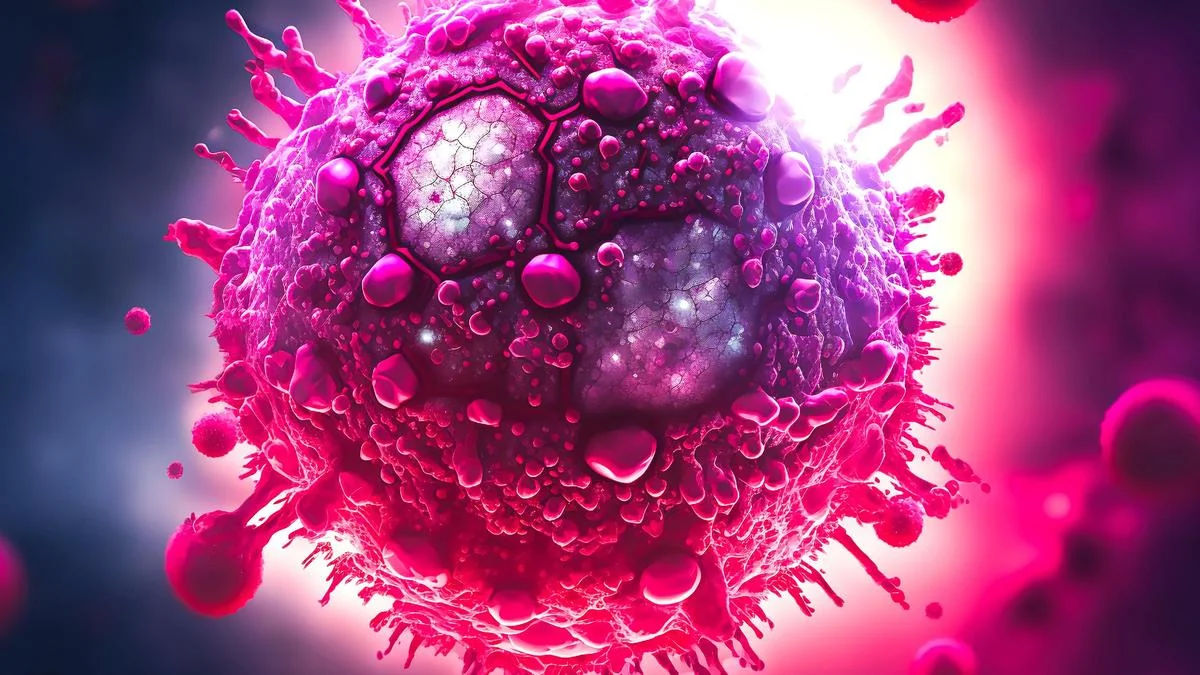
Stanford Artificial Intelligence Research:
Researchers at Stanford University have demonstrated that advanced artificial intelligence systems are rapidly evolving from merely analyzing existing biological data to generating completely novel biological designs. The breakthrough study illustrates that machine learning models can now propose detailed structural blueprints for viral proteins and complex biological organisms. While the current computational frameworks do not allow the autonomous manufacturing or physical synthesis of dangerous human viruses, they represent a monumental shift toward computer-generated synthetic biology that human researchers can assemble inside specialized laboratory environments.
Biosecurity Risks And Synthetic Biology:
Global health experts and biosecurity analysts warn that the integration of artificial intelligence with computational biology significantly lowers technical barriers to pathogen engineering. Historically, biological research relied on slow laboratory experimentation to understand viral mutations, whereas generative algorithms can simulate millions of genetic sequences in minutes. This dual-use capability creates severe risks of unintended pathogen creation or deliberate misuse, as bad actors could potentially leverage generative models to design viral structures capable of evading existing immune responses, therapeutic drugs, and traditional vaccine protocols.
Global Governance And India Impact:
International health organizations and national policy bodies are now pushing for mandatory biosecurity safeguards, including comprehensive oversight of commercial DNA synthesis vendors and safety alignment for biological models. For India, which maintains a massive bio-pharmaceutical manufacturing sector and expanding biotechnology research ecosystem, these technological advances necessitate immediate domestic policy responses. Indian regulatory authorities must establish strict biosafety guidelines, digital monitoring standards, and national laboratory screening mechanisms to prevent synthetic biological threats while safeguarding legitimate medical innovations.
Pulse Intelligence
Context & ImpactContext & Background
- Computational biology previously relied on analyzing pre-existing natural genomic sequences rather than generating original biological structures.
- Advances in generative AI and large language models enabled researchers to predict protein folding patterns and design novel molecular architectures.
Key Consequences
- Governments will likely enforce mandatory screening protocols for DNA synthesis facilities to prevent unauthorized virus creation.
- AI developers working on biological models will face strict regulatory oversight and safety alignment audits.
Market & Economic Impact
No direct market impact, though public biosecurity firms and DNA synthesis providers may see increased regulatory compliance costs.
The Indus Pulse is committed to accuracy and transparency.