
18 Aug 2026, 05:50 PM 2 min readtechdeveloping
Solar Eruption Triggers G1 Geomagnetic Storm Alert Across Earth
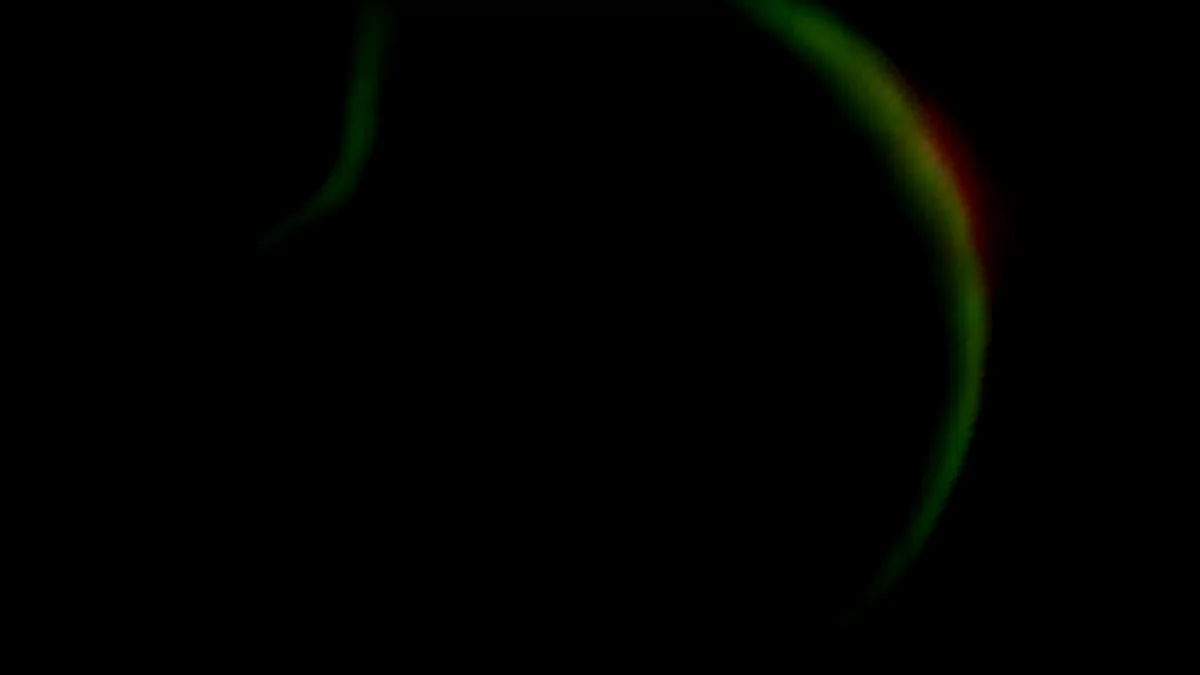
Solar Filament Eruption:
A coronal mass ejection released from a solar magnetic filament eruption on August 14 is sweeping past Earth. Space weather forecasters alerted that the plasma cloud will likely spark a minor G1-class geomagnetic storm. The solar event presents minimal danger to major infrastructure on the ground. However, high-latitude regions across northern Europe and North America will see enhanced aurora displays as solar particles interact with Earth's magnetic field.
Space Weather Dynamics:
Solar magnetic filaments frequently become unstable, launching massive bursts of magnetized plasma into interplanetary space. When these coronal mass ejections hit Earth's magnetosphere, they cause minor power grid fluctuations and small disruptions to satellite communications. Ground controllers monitor these events to protect orbiting assets and maintain high-frequency radio stability. These minor solar perturbations happen regularly as the solar cycle approaches peak activity periods.
India Space Monitoring:
Indian space weather research facilities and satellite networks like ISRO monitor the solar storm impact on domestic communications. Minor G1 storms rarely affect power grids or telecommunications networks across tropical zones like India. However, aviation routes flying over polar zones may experience short-lived radio blackouts or navigation disruptions. Scientists continue tracking solar observations to predict additional solar flares and coronal mass ejections over coming days.
Pulse Intelligence
Context & ImpactContext & Background
- A magnetic filament eruption occurred on the solar surface on August 14, releasing a cloud of energetic plasma into space.
- G1-class geomagnetic storms represent the mildest level on the space weather scale, routinely triggering auroras near polar latitudes.
Key Consequences
- High-latitude regions in Europe and North America will likely view bright auroras during night hours.
- Satellite operators and high-frequency radio communications may experience brief, localized interference.
Market & Economic Impact
No direct market impact.
The Indus Pulse is committed to accuracy and transparency.