
Health Desk July 14, 2026 at 11:07 AM 2 min readhealthanalysis
Smoking and Vaping Significantly Reduce Physical Fitness in Youth
Impact on Physical Fitness:
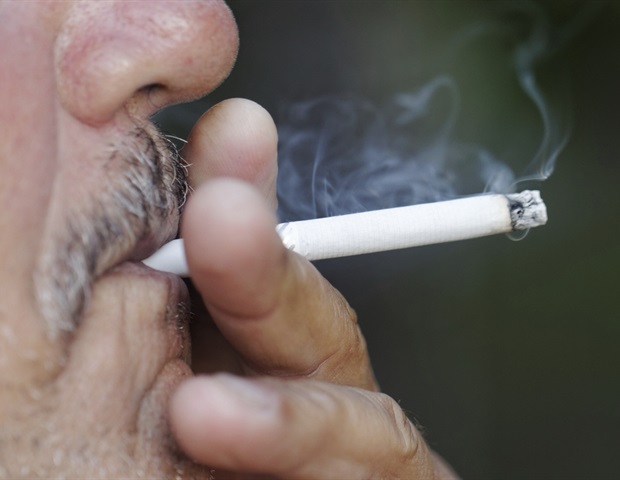
Recent clinical research highlights that both vaping and traditional smoking significantly impair cardiorespiratory fitness among young adults. Findings indicate a 15% reduction in overall fitness levels for regular users compared to non-smokers. The data suggests that chronic inhalation of aerosolized nicotine and combustion products hampers lung function and cardiovascular efficiency. This decline in physical performance occurs despite the relatively young age of the cohort, pointing to immediate physiological strain rather than long-term wear.
Mechanism of Physiological Impairment:
Scientific consensus increasingly points to the vascular and pulmonary damage caused by chemical exposure from electronic nicotine delivery systems. The study confirms that vapers experience restricted breathing capacity and diminished blood vessel elasticity comparable to those observed in long-term tobacco smokers. Researchers emphasize that these negative outcomes arise from cellular inflammation and oxidative stress triggered by inhaled aerosols. This mechanism effectively forces the heart to work harder during physical exertion, which leads to early fatigue and reduced endurance capacity among active young populations.
Broader Public Health Implications:
Health authorities view these findings as a critical warning regarding the normalization of vaping among adolescents and young adults in India. The study provides evidence to support stricter regulatory oversight on vaping product packaging and public awareness campaigns targeting youth. As the popularity of electronic alternatives continues to rise, clinicians expect a potential spike in respiratory-related issues across younger demographics. Future efforts must prioritize education on the long-term health risks associated with aerosol inhalation, as the physical fitness gap between non-smokers and users of nicotine products continues to widen significantly.
Pulse Intelligence
Context & ImpactContext & Background
- Tobacco use remains a primary cause of preventable respiratory disease globally and within India.
- Public health policies have shifted to address the rising adoption of electronic cigarettes among younger demographics.
Key Consequences
- Increased focus on anti-vaping educational initiatives within Indian secondary schools and colleges.
- Potential for tighter government restrictions on the marketing and accessibility of electronic nicotine delivery systems.
Market & Economic Impact
No direct market impact.