
Tech Desk July 20, 2026 at 11:03 PM 2 min readtechbreaking
Skyroot Aerospace Launches India's First Private Orbital Rocket as Expansion Plans Begin
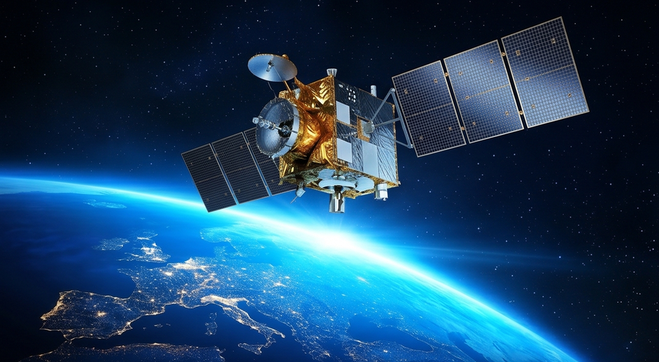
[Historic Orbital Success]:
On July 18, 2026, Hyderabad-based Skyroot Aerospace achieved a landmark feat by successfully launching its Vikram-1 rocket into low Earth orbit from the Satish Dhawan Space Centre. This three-stage, 22-meter rocket successfully deployed customer payloads into a 450-kilometer orbit. The mission represents the first time an Indian private company has developed and successfully launched an orbital-class vehicle, establishing India as the third nation globally to demonstrate such private capability.
[Strategic Industrial Growth]:
This milestone validates India's 2020 space sector reforms, which opened the industry to private startups. Skyroot, now valued at $1 billion, is a cornerstone of an industry projected to reach $44 billion by 2033 and $100 billion by 2040. The company is actively building on this success by developing reusable rocket technology to reduce launch costs and increase mission frequency. CEO Pawan Kumar Chandana confirmed that a larger vehicle is in development to meet future global demand for sustainable, cost-effective space logistics.
[Future Operational Outlook]:
Immediate operational focus remains on the Vikram-1 series, with the leadership team targeting another flight later this year to stabilize their commercial launch cadence. By demonstrating engineering prowess through recoverable stages and vertical landing research, Skyroot aims to become a key regional provider for small satellite operators. Observers are closely monitoring these technical advancements, as successful reusability could significantly lower barriers for commercial space exploration and attract substantial venture capital investment into the Indian aerospace ecosystem.
Pulse Intelligence
Context & ImpactContext & Background
- The mission successfully took place on July 18, 2026, from the Satish Dhawan Space Centre.
- Skyroot Aerospace previously validated its engineering through the successful suborbital test flight of the Vikram-S vehicle.
- Government space policy reforms initiated in 2020 were critical in enabling private firms to enter the orbital launch market.
Key Consequences
- The success of the Vikram-1 platform will likely accelerate domestic and international investment into India's space startup sector.
- Developing reusable rocket technology will significantly reduce operational costs and help the company compete for global satellite launch contracts.
- Meeting the ambitious $100 billion space economy goal by 2040 becomes more attainable as commercial launch frequency increases.
Market & Economic Impact
Successful orbital launches and reusability trials are expected to drive significant venture capital interest in the Indian private aerospace market.