
Auto Desk July 18, 2026 at 11:02 PM 2 min readautoevergreen
Skoda Luxurty Versus Tata Punch Price Positioning
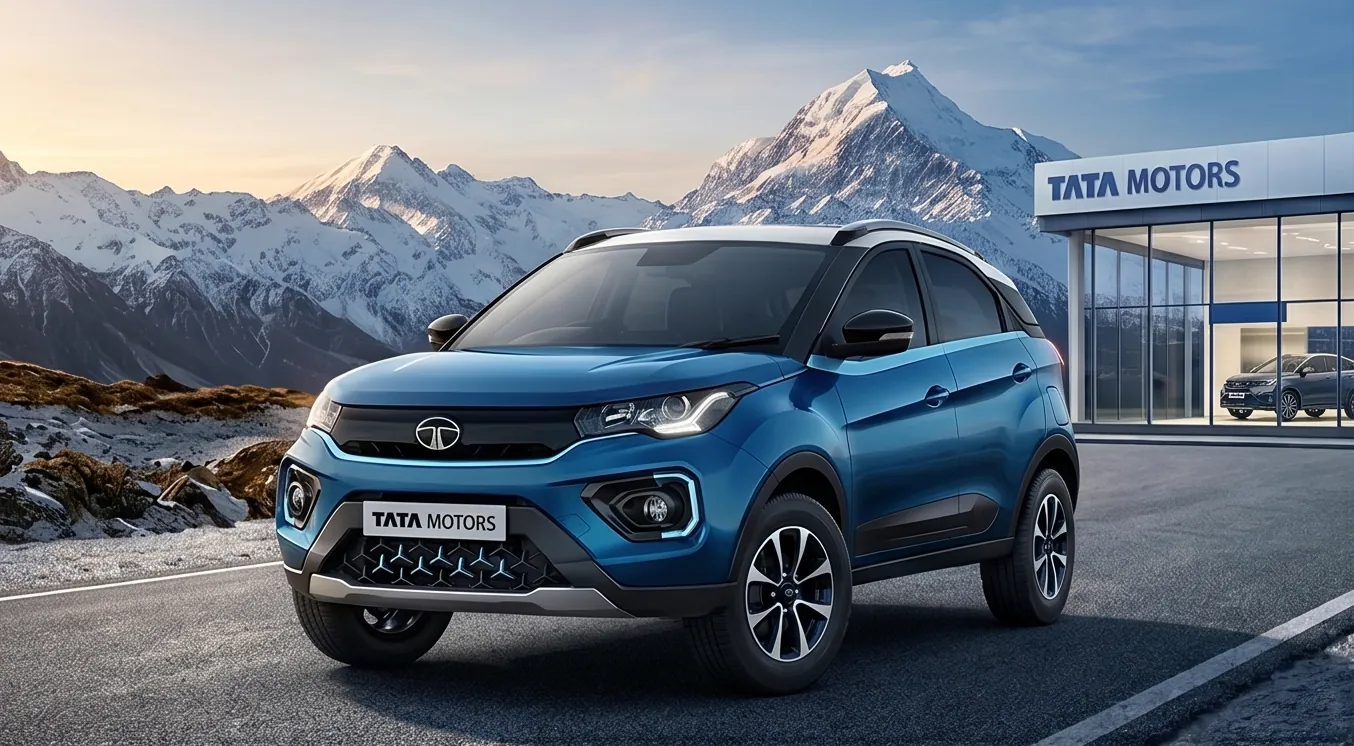
Market Comparison:
The comparison between a premium Skoda model and the Tata Punch highlights the evolving nature of the entry-level and sub-compact automobile segments in India. Consumers are increasingly evaluating price-to-value ratios as luxury features migrate toward more accessible price points. This analysis examines how traditional luxury manufacturers like Skoda are strategically positioning vehicles to compete with mass-market segment leaders like Tata Motors.
Consumer Preferences:
Tata Punch continues to define the micro-SUV segment with its blend of high seating, build quality, and affordability. Conversely, Skoda targets a specific demographic that values performance, interior refinement, and brand prestige. The market interest in comparing these disparate vehicle classes reflects a broader shift where buyers prioritize specific experiential features—such as interior quality or advanced safety systems—over traditional segment boundaries.
Future Market Impact:
The overlap in price points between mass-market offerings and entry-level premium vehicles is expected to intensify competition. Automotive manufacturers are responding by enhancing feature sets within their base models to maintain market share. As vehicle pricing continues to be a primary driver for the Indian buyer, Skoda’s strategy to leverage brand equity alongside value-oriented pricing will likely shape how other luxury players approach the affordable car market segment in the coming year.
Pulse Intelligence
Context & ImpactContext & Background
- Tata Punch has been a highly successful model for Tata Motors since its inception, consistently topping sales charts in its category.
- Skoda Auto India has been aggressively expanding its local product portfolio with models tailored to Indian road conditions and preferences.
Key Consequences
- Increased competition in the price-sensitive entry-level market will likely force more frequent feature updates from manufacturers.
- Consumers may benefit from more diverse choices as luxury brands attempt to bridge the gap between premium offerings and entry-level accessibility.
Market & Economic Impact
No direct market impact.