
Health Desk July 17, 2026 at 01:07 AM 2 min readhealthanalysis
Single-Cell Analysis Maps Cancer Metastasis Mechanisms
Advances in Metastasis Research:
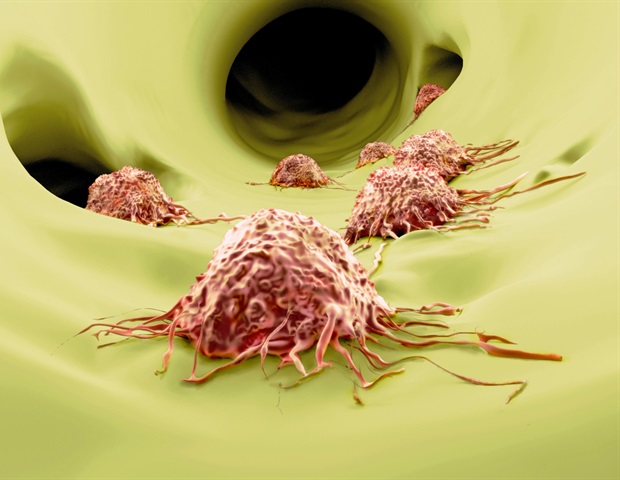
Recent scientific findings have utilized single-cell analysis to identify key regulators responsible for cancer metastasis. This methodology allows researchers to dissect complex cellular ecosystems at an unprecedented level of detail, isolating individual cells to observe how they transition and spread to secondary sites. By mapping these specific regulators, scientists aim to pinpoint the biological triggers that enable tumors to break away from their primary locations and seed lethal growths elsewhere in the body.
Mechanism of Cellular Spread:
The identification of these regulators stems from the growing capability to sequence individual genomes within a tumor sample. Unlike traditional bulk sequencing, which averages the genetic data of thousands of cells, single-cell analysis unmasks rare, highly aggressive cell populations that drive metastatic progression. Understanding these granular processes is essential for explaining why certain cancers remain localized while others become systemic, providing a clearer biological roadmap for how aggressive malignant cells navigate the bloodstream and colonize distant organ systems.
Clinical Significance for Future Oncology:
This breakthrough represents a shift toward more precise therapeutic targeting, as understanding the regulators of metastasis could eventually lead to drugs designed to block these specific pathways. For India, a country seeing a significant rise in cancer cases, such advancements in molecular diagnostics offer hope for more tailored treatment protocols. While these findings are currently in the research phase, they underscore a global move toward precision oncology, where the focus moves from broad-spectrum chemotherapy toward disrupting the very mechanisms that allow cancer to survive and migrate within the patient.
Pulse Intelligence
Context & ImpactContext & Background
- Metastasis remains the leading cause of mortality in cancer patients, as it is difficult to treat once the disease has spread.
- Single-cell RNA sequencing technology has evolved significantly in the last decade, allowing for higher throughput and more accurate cell-type mapping.
Key Consequences
- Researchers can now target specific metastatic regulators to inhibit tumor spread in clinical models.
- Precision oncology platforms will likely integrate these findings to develop personalized prognostic tools for early-stage patients.
Market & Economic Impact
No direct market impact.