
20 Aug 2026, 10:10 PM 2 min readautodeveloping
Simple Energy Wave and BGauss C12i Max Lead Commuter EV Push
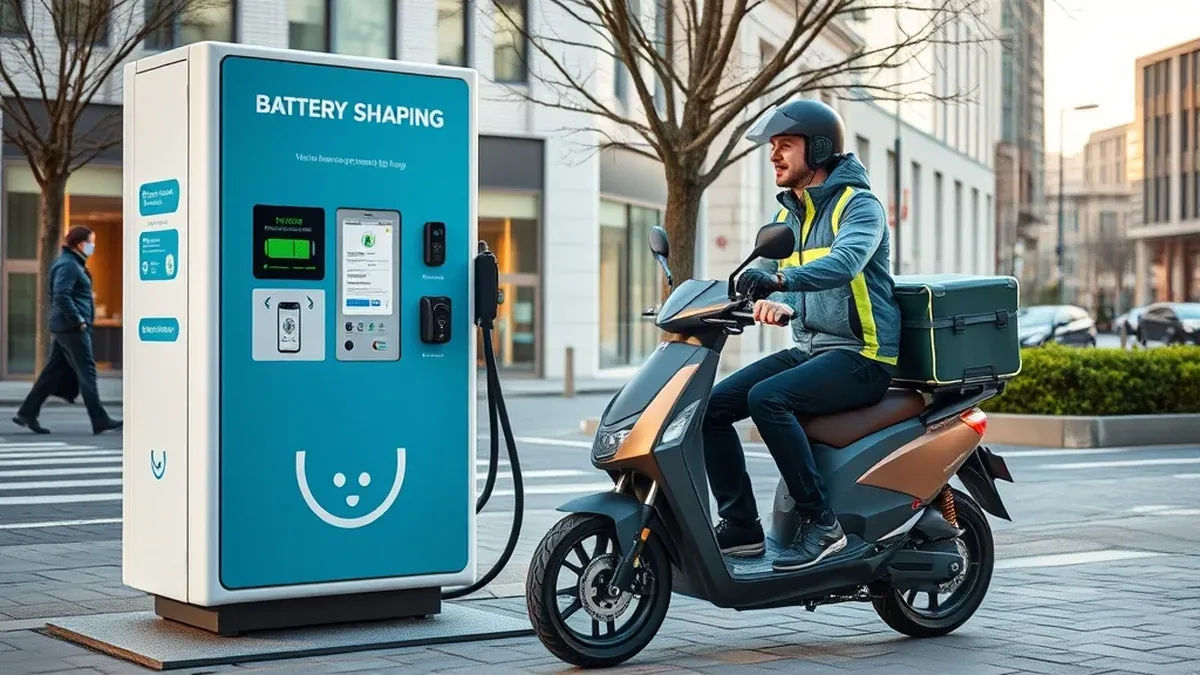
Electric Mobility Expansion:
The Indian electric vehicle market witnesses a surge in commuter-focused options as Simple Energy prepares to scale the production of its Wave model. Concurrently, BGauss continues to capture regional interest with its C12i Max, a scooter engineered for long-range reliability in urban settings. These models join a growing ecosystem of lightweight electric vehicles, including the distinctively portable Blizwheel F05, reflecting a broad shift toward diverse transit solutions that cater to varied urban commuter needs.
Technological and Competitive Drivers:
Manufacturers are increasingly focusing on battery density and portability to distinguish their offerings in a competitive landscape. The Simple Energy Wave aims to address the common concern of range anxiety, while the BGauss C12i Max emphasizes mechanical simplicity and user-friendly features suitable for daily office commutes. These developments reflect wider industry efforts to reduce reliance on internal combustion engines, driven by both tightening emission standards and consumer demand for lower operational costs during daily travel.
Market Outlook and Future Adoption:
The mass adoption of these electric scooters is expected to play a critical role in decongesting Indian metropolitan traffic while providing an affordable alternative to fossil fuel vehicles. As supply chains stabilize and charging infrastructure matures across tier-one and tier-two cities, models like the Simple Energy Wave will face intense scrutiny regarding real-world performance and service network accessibility. Investors and potential buyers should monitor how these brands scale their production capacities and integrate fast-charging capabilities to maintain their competitive edge in the evolving electric mobility sector.
Pulse Intelligence
Context & ImpactContext & Background
- The Indian government has accelerated its FAME-II subsidy schemes to lower the entry barriers for electric two-wheelers.
- Major urban centers have seen a rising demand for micromobility solutions as traffic congestion levels reach historic highs in cities like Bangalore and Mumbai.
Key Consequences
- Increased competition among manufacturers will likely lead to more affordable price points for entry-level electric scooters.
- Local municipalities may introduce more dedicated EV charging infrastructure to support the rapid adoption of two-wheeled electric transport.
Market & Economic Impact
Continued growth in the electric two-wheeler segment is bolstering investment in domestic component manufacturing, positively impacting suppliers linked to automotive electrification.
The Indus Pulse is committed to accuracy and transparency.