
August 7, 2026 at 01:11 AM 2 min readhealthanalysis
Severe COVID-19 Can Reactivate Dormant Viruses and Trigger Autoimmune Issues
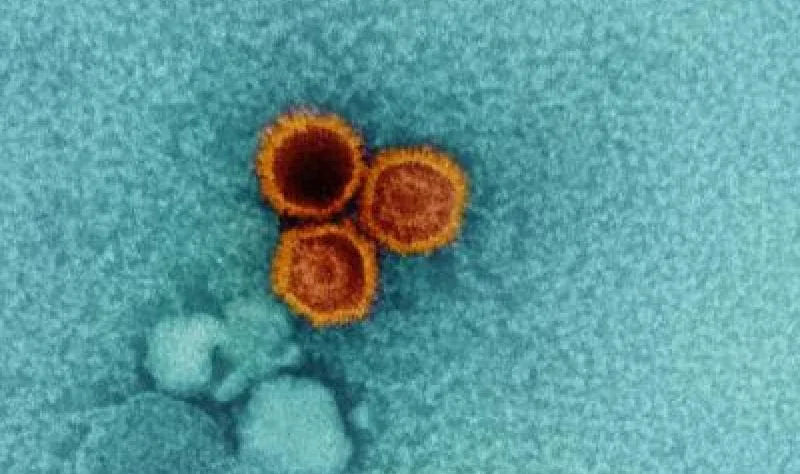
Viral Reactivation Risks:
Clinical research demonstrates that severe acute respiratory coronavirus infections can awaken dormant viruses harbored within the human body. Medical investigators link this viral reactivation phenomenon to persistent post-acute sequelae and the development of secondary autoimmune conditions.
Immunological Background:
Latent pathogens such as Epstein-Barr virus often remain suppressed by a functioning immune system under normal physiological circumstances. Severe viral infections induce profound immune system dysregulation, allowing these dormant agents to replicate and provoke sustained inflammatory responses.
Therapeutic Implications:
Specialists are evaluating targeted antiviral and immunomodulatory therapies to address persistent symptoms experienced by long COVID patients. Understanding these viral triggers helps physicians develop more effective treatment protocols for chronic post-viral illness.
Pulse Intelligence
Context & ImpactContext & Background
- Long COVID has affected millions of individuals globally following acute coronavirus infection waves.
- Many humans carry dormant viral infections that remain clinically silent throughout their lives.
Key Consequences
- Researchers will likely prioritize clinical trials testing antiviral drugs for long COVID patients.
- Medical practitioners may incorporate screening for reactivated latent viruses in post-viral care plans.
Market & Economic Impact
No direct market impact.
The Indus Pulse is committed to accuracy and transparency.