
August 6, 2026 at 12:44 AM 2 min readworldbreaking
Seoul Faces Extreme Heat Crisis As Tropical Nights Grip South Korea
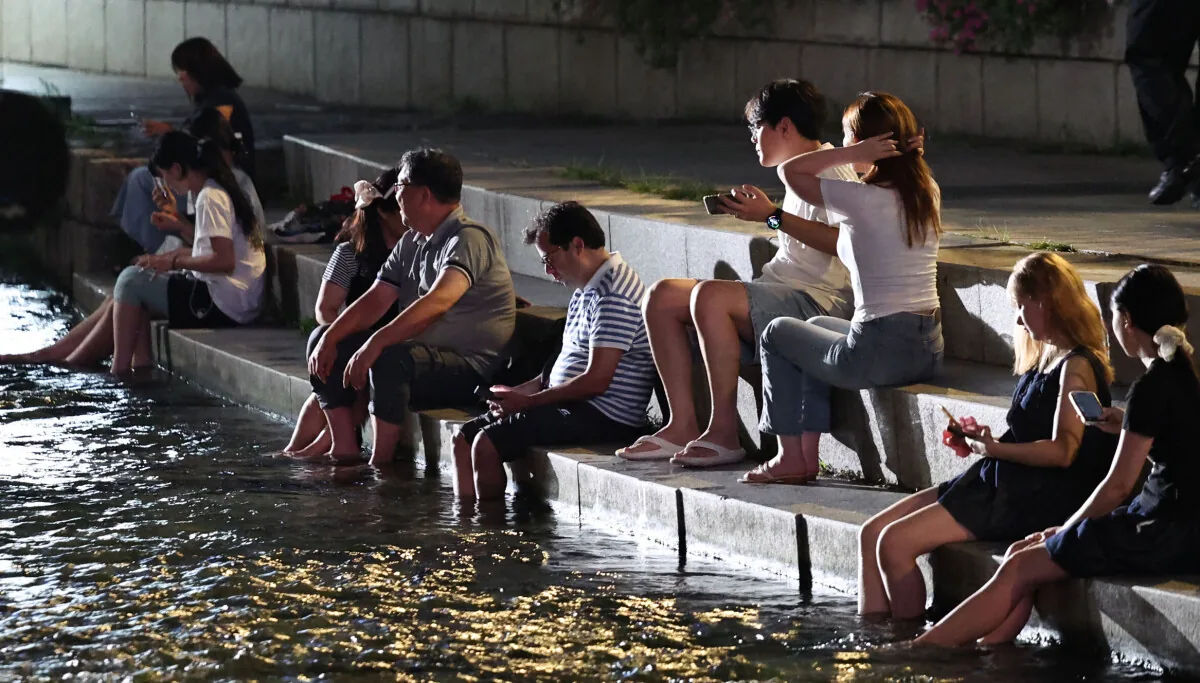
Seoul Heat Wave Emergency:
South Korea is currently grappling with a severe heat crisis, as temperatures in Seoul and the greater capital region climb toward 40 degrees Celsius. The surge in temperature is compounded by record-breaking tropical nights, where temperatures remain unusually high even after sunset, offering residents no relief from the oppressive conditions. Health officials have issued warnings as the risk of heat-related illnesses continues to rise across the country.
Climate and Urban Impact:
Weather experts attribute the intensity of this summer heatwave to a combination of long-term climate change trends and the exacerbating effects of urban heat islands. The density of infrastructure in Seoul traps heat, preventing natural cooling during nighttime hours and forcing energy consumption to peak as households and businesses scramble for cooling solutions. This phenomenon has turned a seasonal event into a significant national challenge that strains local power grids and public health resources.
Public Health Response:
Authorities are intensifying public health advisories to protect vulnerable populations, including the elderly and those with pre-existing conditions, from heat stroke and exhaustion. While the government monitors the situation, the ongoing climate pattern shows few signs of immediate abatement, leaving residents to deal with prolonged high-temperature exposure. The government is expected to continue its emergency health response to manage the impact of these extreme temperatures until the current atmospheric system shifts.
Pulse Intelligence
Context & ImpactContext & Background
- South Korea has experienced a series of warmer summers over the past decade due to shifting global climate patterns.
- Urban expansion in the Seoul metropolitan area has consistently contributed to higher ground-level temperatures during heatwaves.
Key Consequences
- The government may implement strict energy saving measures if peak power demand threatens to destabilize local electrical grids.
- Public health departments are likely to set up more cooling centers and hydration stations in high-density urban areas.
Market & Economic Impact
No direct market impact.
The Indus Pulse is committed to accuracy and transparency.