
30 Aug 2026, 12:35 PM 2 min readmarketsbreaking
Sensex Recovers After Flash Crash Hits Closing Auction
Auction Mechanism Volatility:
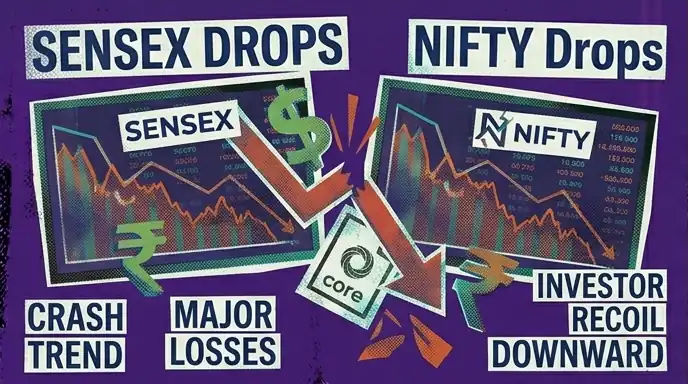
The Indian equity market experienced significant disruption during the closing auction window when a flash crash caused a sudden 3% dip in the BSE Sensex. This anomalous event created widespread confusion across Mumbai trading desks as index heavyweights saw instantaneous price swings. The volatility was exacerbated by structural issues within the newly implemented closing auction mechanism, which has faced criticism for operational friction and price discrepancies between the National Stock Exchange and the Bombay Stock Exchange. In one instance, IndusInd Bank saw a valuation gap of nearly ₹33 between the two platforms, marking the widest divergence in two decades.
Drivers of Instability:
Analysts attribute the flash crash to a combination of order book imbalances and potential technical glitches in high-frequency trading algorithms. The concentration of sell orders during the final moments overwhelmed liquidity, leading to momentary failures in price discovery. Despite domestic investors injecting over ₹30,000 crore into Indian equities in August, the market has remained range-bound due to persistent profit-taking and a heavy pipeline of primary market issuances. Additionally, a cooling global AI trade and regulatory hurdles have driven a massive $1 billion exodus from South Korean chip-linked ETFs, adding external pressure to market sentiment.
Regulatory and Investor Response:
While the Sensex recovered by the final bell due to institutional buying, the event has highlighted the fragility of current trading infrastructure. The market remains in a state of consolidation, and participants are now calling for greater transparency and stricter oversight of the auction process. Traders are exercising increased caution as regulators evaluate potential changes to margin requirements and circuit breakers. Moving forward, the focus remains on whether SEBI will mandate new guidelines to prevent extreme price slippage and align cross-exchange valuations, which are critical for stabilizing the market during high-stakes trading windows.
Pulse Intelligence
Context & ImpactContext & Background
- SEBI introduced a new closing auction system on August 3, 2026, aimed at improving price discovery and reducing market manipulation.
- The Indian equity markets had been experiencing a streak of losses over the preceding five sessions prior to this recovery, remaining in a range-bound consolidation phase throughout August.
- Foreign Portfolio Investors have been net buyers for the last two months after a sustained period of selling throughout early 2026.
Key Consequences
- Market regulators may mandate stricter margin requirements or revised circuit breakers for the closing auction window.
- Traders may continue to face difficulty executing arbitrage strategies until price alignment between NSE and BSE stabilizes.
- Institutional investors might pause high-frequency trading activities while technical audits of the exchange infrastructure are conducted.
Market & Economic Impact
The flash crash created temporary panic across Nifty 50 and Sensex counters, with significant bank stock volatility impacting the BSE Bankex.
The Indus Pulse is committed to accuracy and transparency.