
Tech Desk July 17, 2026 at 12:34 PM 2 min readtechdeveloping
India to Take Equity Stakes in Semiconductor Startups
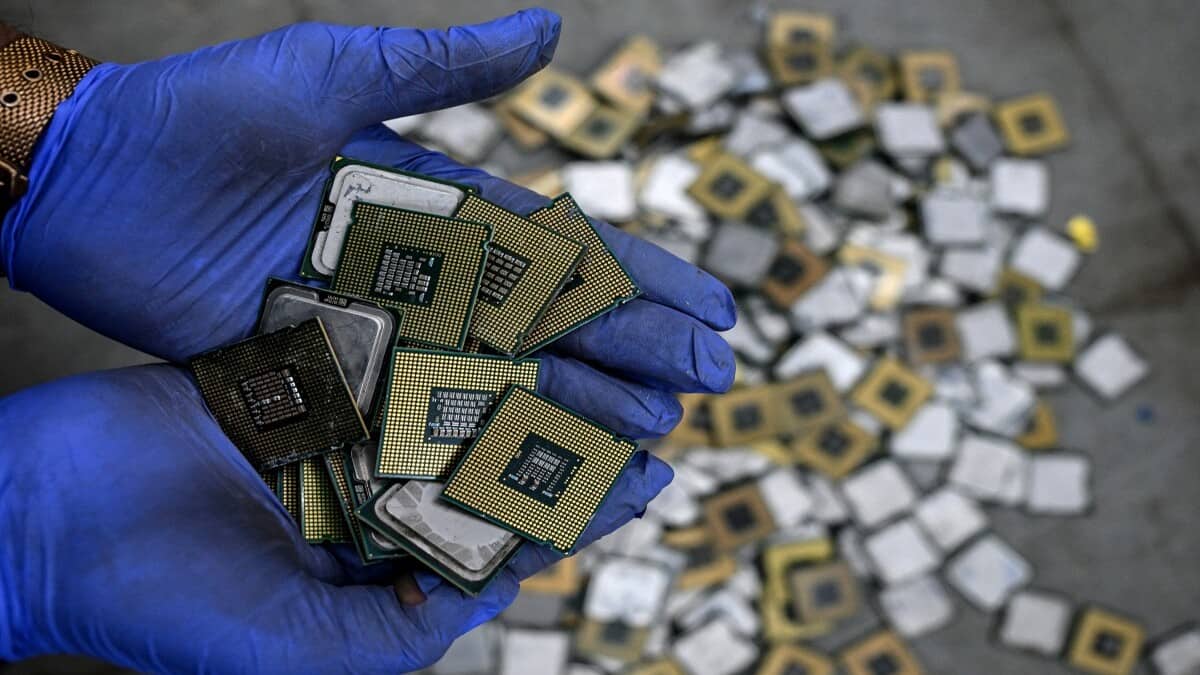
Semicon 2.0 Equity Participation:
The Government of India will acquire equity stakes in semiconductor startups as part of its expansive ₹1.27 lakh crore Semicon 2.0 initiative. This strategic shift aims to provide capital support to emerging firms by co-investing alongside venture capital entities. The government intends to hold these stakes while the companies navigate the initial scale-up phase, with a structured exit plan once the startups achieve commercial maturity and stability within the domestic chip manufacturing landscape.
Strengthening Domestic Ecosystems:
This move is designed to address the high capital requirements and lengthy gestation periods inherent in the semiconductor industry. By acting as a partner rather than just a subsidy provider, the government hopes to mitigate financial risks for early-stage innovators and foster a more robust indigenous hardware sector. The initiative reflects a broader national policy shift towards achieving self-reliance in critical electronics, reducing import dependency on global chip suppliers, and creating an integrated supply chain that can withstand external market volatility.
Economic and Industrial Impact:
The program is expected to attract significant private investment while signaling long-term institutional support for deep-tech research. By participating in equity, the state ensures that public funds are tied to the long-term success and commercial viability of the supported projects. Industry experts anticipate that this framework will catalyze the growth of home-grown chip design and manufacturing startups, ultimately strengthening India's position as a key player in the global semiconductor value chain in the coming decade.
Pulse Intelligence
Context & ImpactContext & Background
- The Indian government previously launched the first phase of the semiconductor incentive program to attract global fabrication plants.
- Global supply chain disruptions have heightened the urgency for India to localize semiconductor manufacturing capabilities.
Key Consequences
- Domestic chip design startups will likely see increased funding and stability as a result of government co-investment.
- Private venture capital firms may face lower entry risks for semiconductor investments due to government partnership.
Market & Economic Impact
This policy is expected to benefit listed Indian electronics manufacturing and design companies on the BSE and NSE.