
India Desk July 20, 2026 at 11:02 PM 2 min readindiadeveloping
India Launches Semicon 2.0 to Boost Domestic Chip Manufacturing
Semicon 2.0 Objectives:
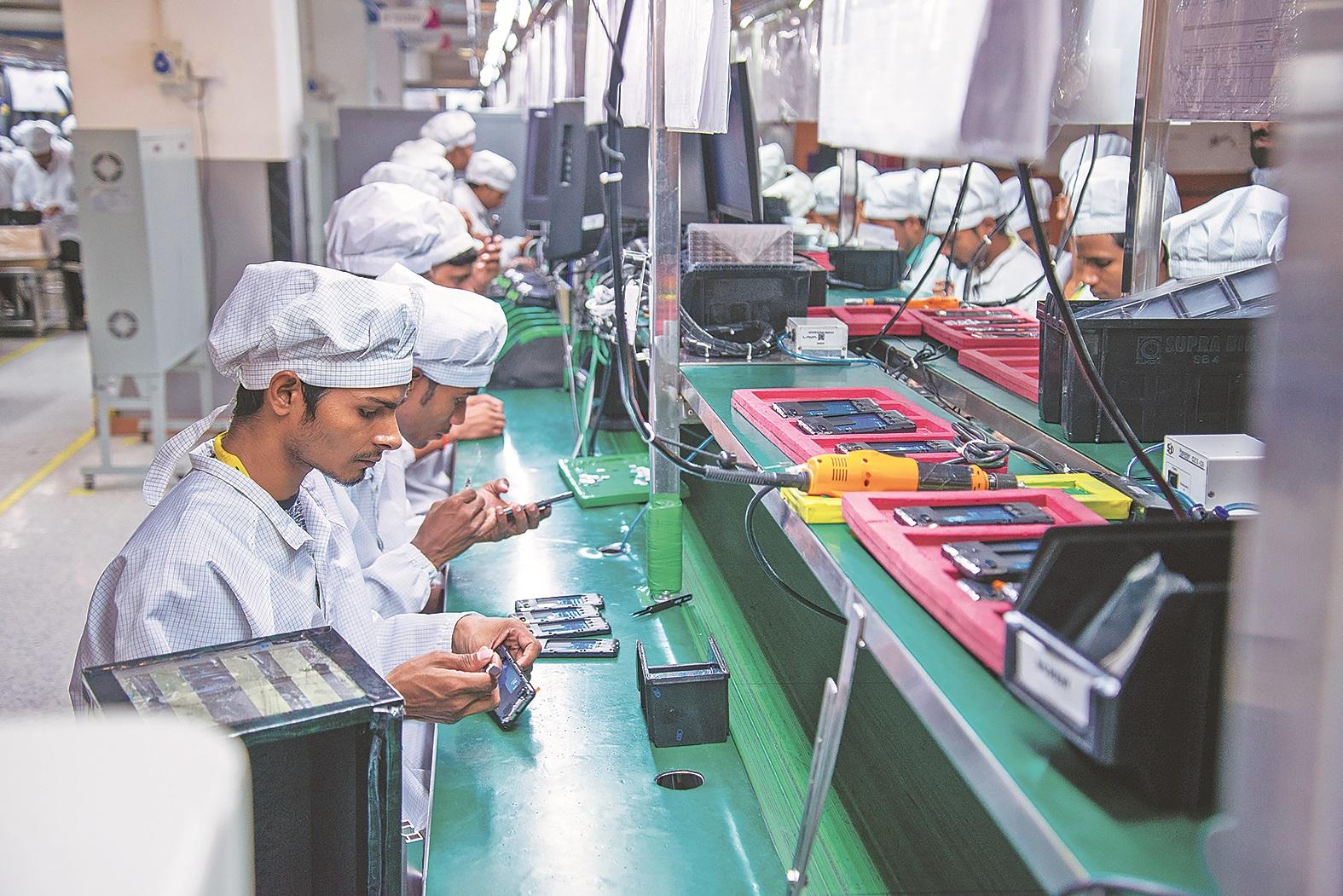
India has officially initiated the second phase of its semiconductor mission, titled Semicon 2.0, with an expanded focus on diverse manufacturing capabilities. The policy aims to attract more semiconductor fabrication plants (fabs) while prioritizing domestic production of memory, displays, and advanced packaging solutions. This initiative seeks to build upon the momentum of the first phase, transitioning from initial foundational efforts toward a more comprehensive, self-reliant semiconductor ecosystem capable of supporting global supply chains.
Strategic Incentive Shift:
Building on the existing Production Linked Incentive (PLI) schemes, the government is introducing more targeted incentives aimed at fostering research and development and product design. Officials have indicated that the government plans to take equity stakes in promising semiconductor startups to de-risk investment and encourage local innovation. This shift responds to industry feedback that scale and cost remain significant hurdles for local players competing in a global market dominated by established international manufacturers.
Future Development Implications:
The government expects these measures to drive domestic firms into advanced high-value areas rather than just assembly. While the first phase focused on attracting large-scale investment, Semicon 2.0 emphasizes the integration of local design houses and academic R&D to create a vertically integrated industry. Success in this phase could position India as a pivotal player in the global chip value chain, potentially reducing reliance on foreign imports and bolstering the nation’s technological sovereignty in the coming decade.
Pulse Intelligence
Context & ImpactContext & Background
- India's first semiconductor mission set the groundwork by offering subsidies for fabrication plants and display units.
- The global semiconductor industry has seen increased volatility, prompting nations to incentivize domestic production for supply chain resilience.
Key Consequences
- Increased government equity participation in startups will likely accelerate the R&D cycle for domestic chip design firms.
- The focus on advanced packaging may allow India to capture higher value-add segments of the semiconductor manufacturing lifecycle.
- Success in attracting more fabs will require long-term infrastructure stability and a highly specialized skilled labor force.
Market & Economic Impact
The policy provides a long-term boost for Indian electronics and technology sectors, aiming to improve the trade balance in the semiconductor space.