
Health Desk July 20, 2026 at 11:08 AM 2 min readhealthanalysis
Scientists Map Influenza Virus Mechanism Rewiring Human Host Cells
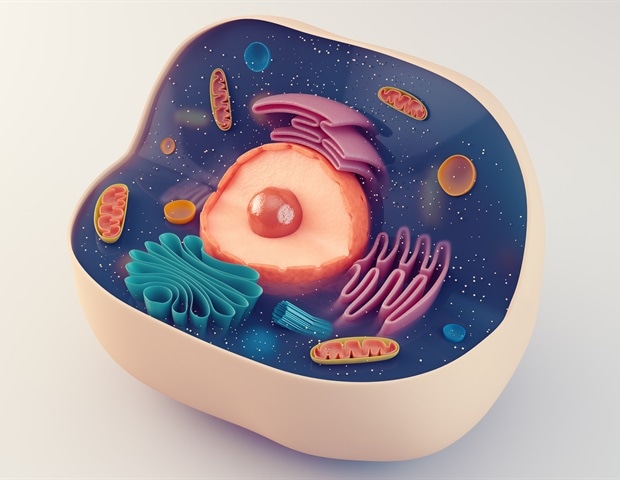
Influenza Virus Mechanisms:
Researchers have successfully mapped the complex molecular pathways through which the influenza virus rewires host cells during infection. By documenting how viral proteins interact with and hijack host cell machinery, the study provides a granular view of the pathogen's invasive process. This biological mapping identifies critical nodes where the virus diverts cellular resources to facilitate its own rapid replication at the expense of the host organism.
Cellular Reprogramming:
The research highlights that the influenza virus does not merely invade a cell but actively reconfigures its internal architecture to create an optimal environment for viral assembly. This process involves the strategic manipulation of host pathways responsible for protein synthesis and intracellular transport. Previous viral research established that pathogens frequently exploit host vulnerabilities, but this mapping confirms the precision with which influenza viruses identify and neutralise internal cellular defenses to maintain high-efficiency viral production.
Therapeutic Implications:
Understanding these specific cellular rewiring tactics offers a new frontier for developing antiviral therapies that block viral interactions rather than just targeting the virus itself. By preventing the influenza virus from accessing essential host cell pathways, scientists believe they can curb infection severity even as the virus continues to evolve. Future clinical applications will likely leverage these findings to create pan-influenza treatments, reducing the reliance on vaccines that require annual reformulation to match shifting viral strains.
Pulse Intelligence
Context & ImpactContext & Background
- Influenza viruses typically mutate rapidly, often requiring updated seasonal vaccines to maintain effectiveness.
- Previous studies established that viral proteins actively recruit host cell components to support their reproductive cycle.
Key Consequences
- Researchers will likely focus on developing drug compounds that inhibit these specific virus-host protein interactions.
- The findings could lead to more durable antiviral treatments less susceptible to the virus's rapid evolutionary changes.
Market & Economic Impact
No direct market impact.