
August 7, 2026 at 06:20 PM 2 min readindiaanalysis
Supreme Court Reviews DPDP Act Impact on Right to Information Transparency
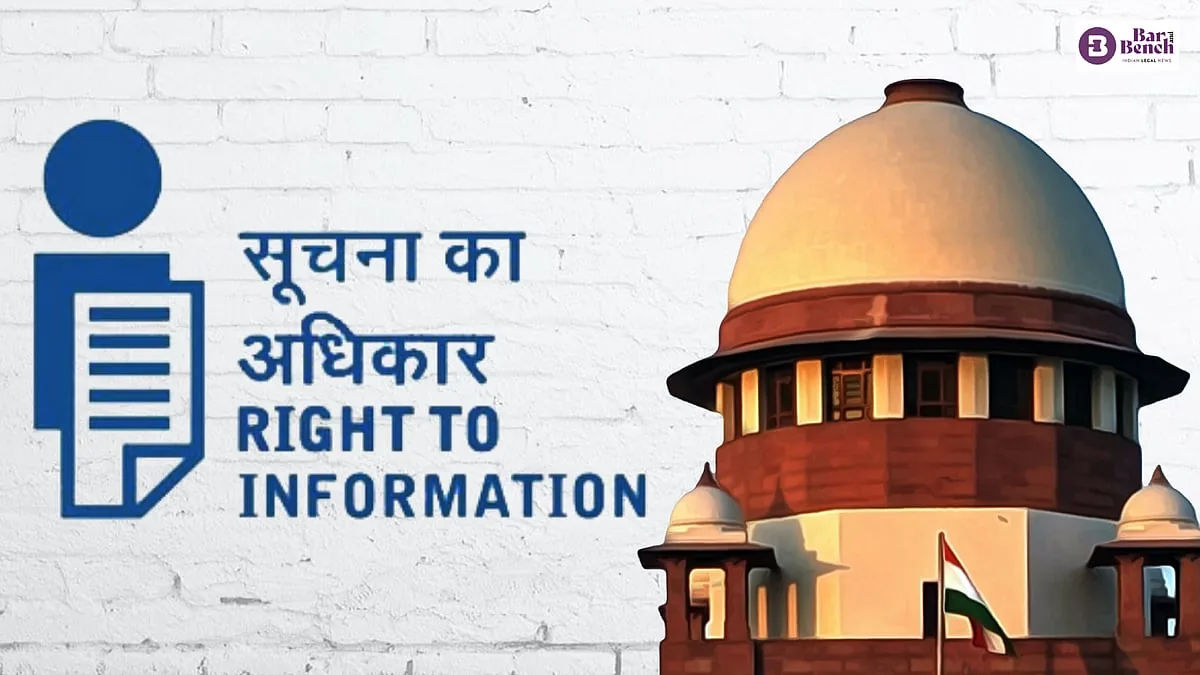
Judicial Review of DPDP Act:
The Supreme Court of India has formally initiated a review into the Digital Personal Data Protection (DPDP) Act following several Public Interest Litigations (PILs). Petitioners argue that the new legislation effectively creates a blanket ban on disclosing personal information, conflicting with the established Right to Information (RTI) Act of 2005. The Supreme Court has requested a formal response from the Central government to justify how the DPDP Act aligns with transparency standards and fundamental rights, especially as it removes previous provisions that allowed personal data disclosure when in the public interest.
Privacy vs. Transparency Conflict:
The core of the legal dispute is the tension between an individual’s constitutional right to privacy and the public's right to government accountability. Critics and transparency activists contend that the Act’s broad definitions of 'personal data' could be exploited to shield corrupt officials from scrutiny. Investigative journalists have raised alarms that the lack of clear exemptions for news reporting could cripple their ability to access essential public records. The court is examining whether the legislation disproportionately prioritizes state secrecy over the democratic necessity of institutional transparency.
Legislative Harmonization:
The Chief Justice-led bench has emphasized the need to harmonize these conflicting legal frameworks to ensure neither right is rendered meaningless. The government is expected to submit an affidavit outlining its defense of the Act’s restrictive provisions. The final ruling will likely be a landmark decision, setting a global precedent for how a democracy manages the trade-off between stringent digital privacy laws and established transparency mandates. For now, citizens, activists, and media organizations must wait for court clarification on whether the DPDP Act can coexist with the existing RTI framework.
Pulse Intelligence
Context & ImpactContext & Background
- The Digital Personal Data Protection Act was enacted to regulate digital data processing but immediately faced criticism for potentially weakening the RTI Act.
- The RTI Act of 2005 previously allowed for the disclosure of personal information if the public interest outweighed individual privacy concerns.
- Legal experts argue that the DPDP Act currently lacks specific carve-outs for journalistic activity and public interest disclosures.
Key Consequences
- The Supreme Court may issue specific guidelines or a judicial stay to prevent government departments from using privacy laws to deny legitimate RTI requests.
- A potential judicial modification could restore the 'public interest test' for data disclosure requests, protecting investigative transparency.
- The ruling will influence the future compliance costs and operational requirements for Indian tech firms and data platforms handling citizen information.
Market & Economic Impact
No direct market impact, but the ruling will significantly influence compliance requirements for digital platforms handling Indian citizen data.
The Indus Pulse is committed to accuracy and transparency.