
July 27, 2026 at 11:34 AM 2 min readindiadeveloping
Supreme Court Seeks Centre's Stance on Anti-Defection Law Plea
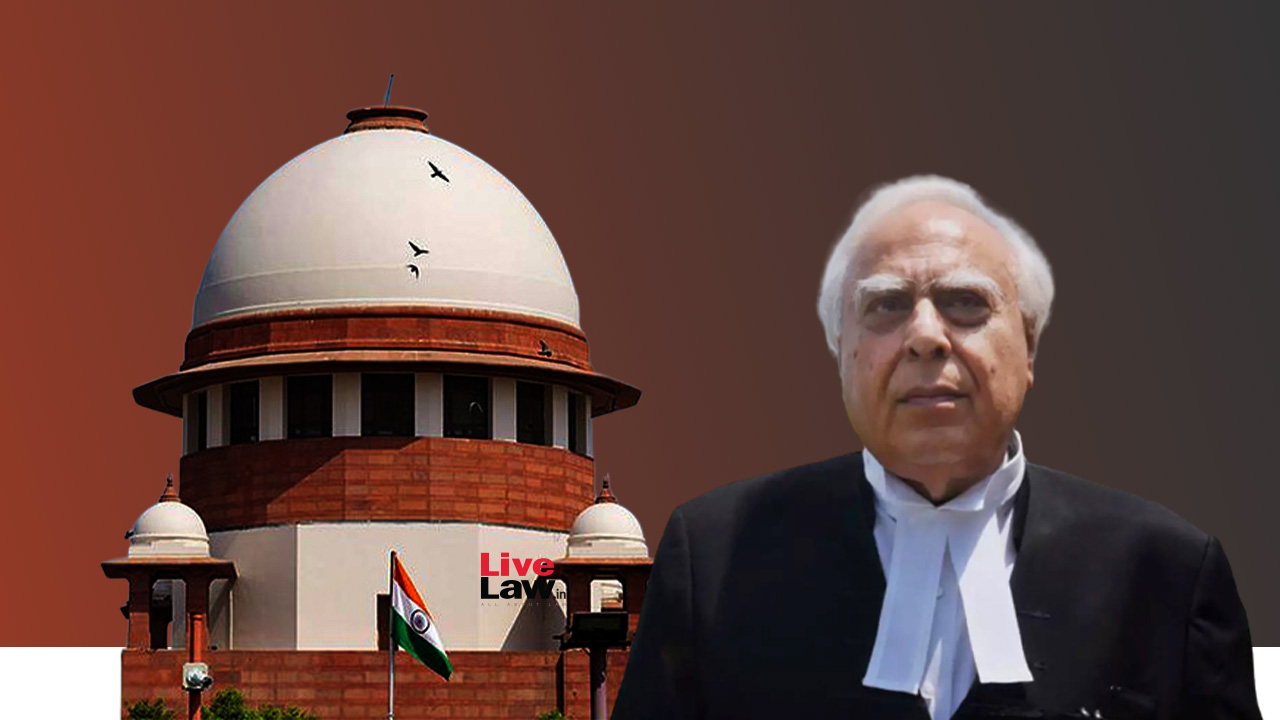
Supreme Court Issues Notice:
The Supreme Court of India has issued a formal notice to the Union Government regarding a petition filed by Senior Advocate Kapil Sibal. The petition challenges the current judicial interpretation of the Tenth Schedule to the Constitution. Sibal, representing himself, argues that the prevailing interpretation allows legislators to evade disqualification under the anti-defection law by engineering mergers with other political parties.
Constitutional Interpretation Concerns:
The legal challenge arises from concerns that legislative wings of parties are merging with others without the approval of their original political organizations. Sibal contended before a bench comprising Justice PS Narasimha and Justice Alok Aradhe that this process undermines electoral mandates. He argued that these legislative maneuvers can transform a clear majority into a minority, effectively subverting the democratic process. The bench noted that similar matters, including petitions involving the Shiv Sena (Uddhav Balasaheb Thackeray) and developments in Goa, remain pending.
Broader Political Implications:
While the Court issued the notice, Justice Narasimha expressed reservations about the judiciary's role in what he described as matters for the floor of the House or political parties. Sibal insisted that political entities in power have little incentive to rectify these systemic issues, necessitating judicial intervention. The case, registered as Diary No. 42846/2026, highlights the ongoing friction between legislative autonomy and the intent of anti-defection provisions. The outcome of this petition could set a significant precedent for how party mergers are scrutinized under constitutional law.
Pulse Intelligence
Context & ImpactContext & Background
- The Tenth Schedule was originally introduced to prevent political instability caused by frequent defections of elected representatives.
- Various legal disputes regarding the split of major political parties and their subsequent legislative mergers have recently emerged in multiple state assemblies and the Parliament.
Key Consequences
- The Union Government must now file a formal response to the Court's notice regarding the interpretation of the Tenth Schedule.
- The proceedings will likely clarify the extent of judicial oversight permitted in matters concerning political party mergers and internal legislative dynamics.
- A definitive ruling could compel new legislative guidelines to prevent the exploitation of merger provisions by splinter groups.
Market & Economic Impact
No direct market impact.
The Indus Pulse is committed to accuracy and transparency.