
August 7, 2026 at 04:18 PM 2 min readindiadeveloping
Supreme Court Reviews DPDP Act Impact On Right To Information
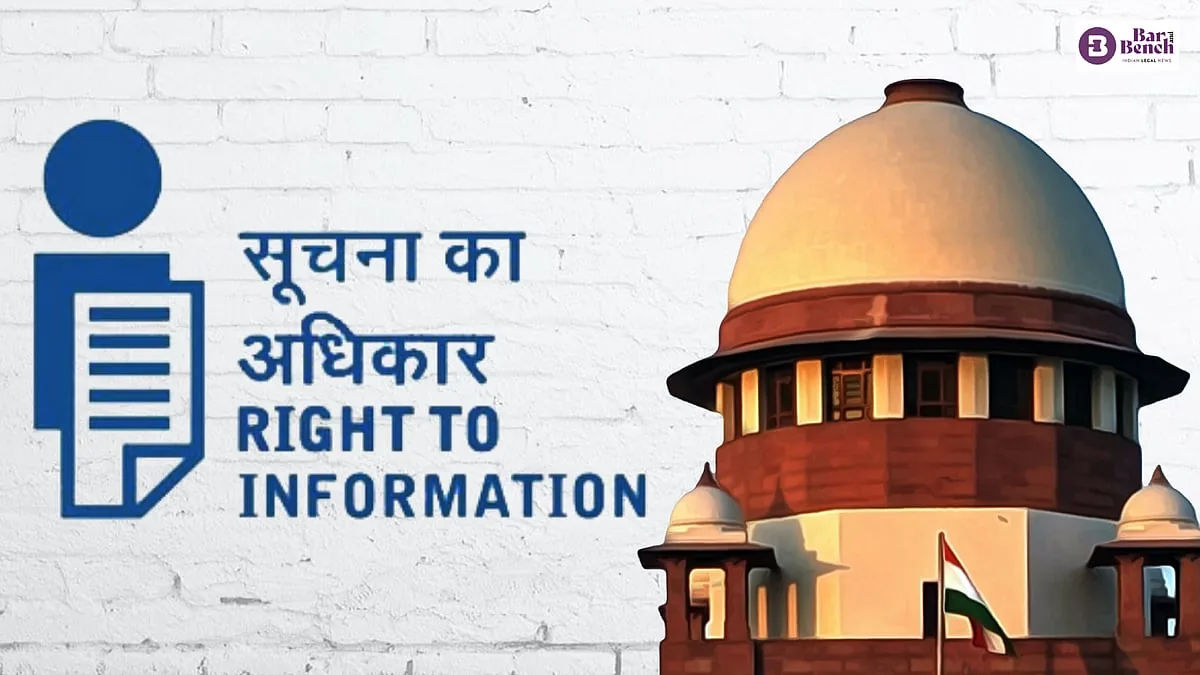
Supreme Court Judicial Review:
The Supreme Court of India has formally requested a response from the Central government regarding a series of Public Interest Litigations (PILs) challenging the Digital Personal Data Protection (DPDP) Act. The petitioners argue that recent amendments effectively create a blanket ban on the disclosure of personal information. This legal challenge focuses on whether the new data protection framework unconstitutionally restricts the Right to Information (RTI). The bench emphasized the need to examine if these provisions hinder public accountability and the transparency of government operations.
Conflict Between Privacy and Transparency:
The core of the legal dispute lies in the tension between individual privacy rights and the public's right to know. Legal experts and journalists argue that the DPDP Act’s broad definitions of personal data could be used to shield corrupt officials or hide vital public data. Investigative journalism often relies on accessing records that the new law might now categorize as protected personal information. The court intends to scrutinize whether the legislation disproportionately favors secrecy over the established principles of the RTI Act of 2005, which previously allowed for certain disclosures in the public interest.
Harmonising Indian Information Laws:
Chief Justice-led benches have called for a balanced approach to harmonising these two conflicting legal frameworks. The outcome of this case will determine the future landscape of transparency and data privacy in India. If the court finds the amendments overly restrictive, it may mandate specific carve-outs for journalistic activity and public interest disclosures. For now, the government must justify how the DPDP Act maintains a constitutional balance. This decision will significantly impact how Indian citizens, activists, and media organizations interact with the state and access public records.
Pulse Intelligence
Context & ImpactContext & Background
- The Digital Personal Data Protection Act was enacted to regulate the processing of digital personal data while recognizing the right of individuals to protect their data.
- The RTI Act 2005 previously allowed for the disclosure of personal information if the public interest outweighed the privacy of the individual.
Key Consequences
- The Supreme Court may issue guidelines to prevent government departments from using privacy laws to deny legitimate RTI requests.
- A potential stay on specific sections of the DPDP Act could occur if they are found to be in direct violation of fundamental rights.
Market & Economic Impact
No direct market impact, but clarity on data laws will affect compliance costs for Indian tech firms and data aggregators.
The Indus Pulse is committed to accuracy and transparency.