
19 Aug 2026, 11:18 PM 2 min readindiadeveloping
Supreme Court 9-Judge Bench to Define 'Industry' Ambit Tomorrow
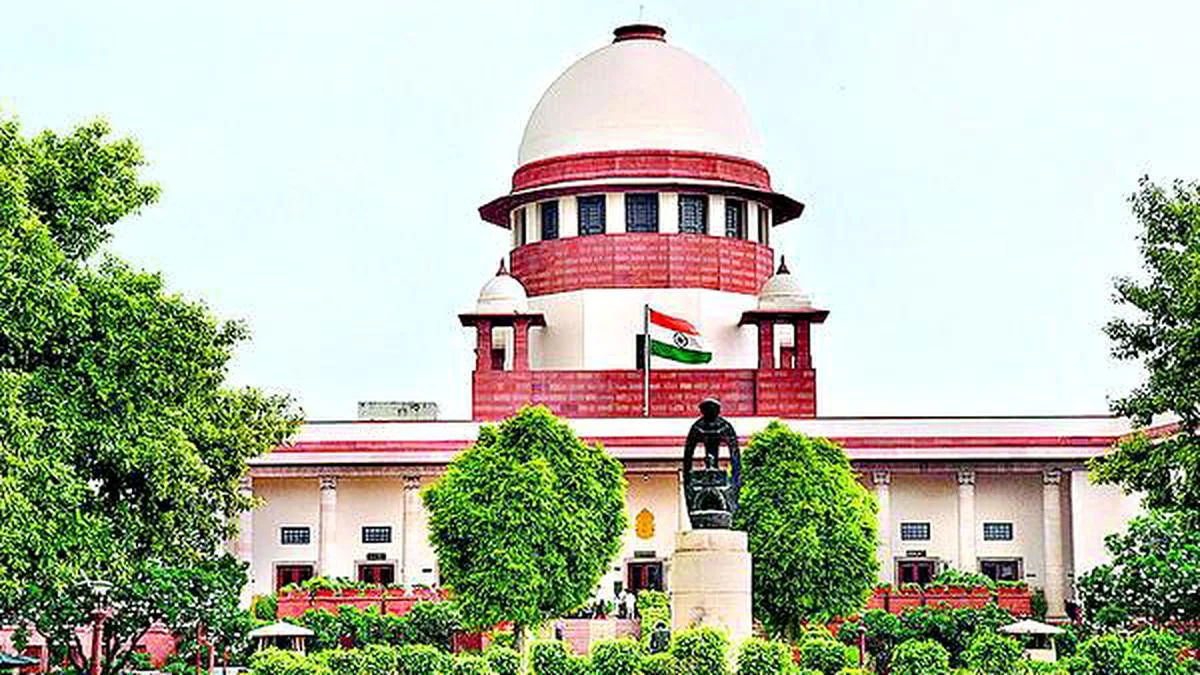
Supreme Court Industry Definition Verdict:
A nine-judge Constitution Bench of the Supreme Court will deliver a landmark judgment tomorrow on the legal definition of 'industry'. The court is set to determine the exact ambit of the term under the Industrial Disputes Act of 1947. This decision follows years of deliberation over whether government departments, hospitals, and social welfare schemes fall within this classification. The outcome will directly impact how labor laws apply to state-run enterprises and hundreds of thousands of workers across various government sectors.
Reviewing the 1978 Bangalore Water Supply Case:
The current proceedings stem from a need to review the 1978 judgment in the Bangalore Water Supply vs A. Rajappa case. That historic ruling established an expansive definition of 'industry', excluding only the core sovereign functions of the state. Several state governments, including Uttar Pradesh, Maharashtra, and Punjab, challenged this wide interpretation. They argue that the 1978 definition places an undue administrative and financial burden on government welfare activities and public utilities that do not operate on commercial lines.
Impact on Industrial Relations and Policy:
The upcoming verdict will clarify if activities like healthcare, education, and social forestry should be treated as industrial undertakings. If the court narrows the definition, it could lead to significant changes in employment protection and dispute resolution mechanisms for government employees. Legal experts suggest that the ruling will provide much-needed clarity for state enterprises currently grappling with extensive labor litigation. This judgment represents one of the most critical legal developments for India's industrial sector in decades, shaping future legislative and administrative labor policies.
Pulse Intelligence
Context & ImpactContext & Background
- The 1978 Bangalore Water Supply case created a 'triple test' to define industry, covering any systematic activity involving employers and employees.
- The Supreme Court referred the matter to a nine-judge bench in 2005 after recognizing contradictions in subsequent smaller bench rulings.
Key Consequences
- A narrower definition could exempt several government departments from the stringent requirements of the Industrial Disputes Act.
- The verdict will likely prompt the Central Government to consider amendments to existing labor codes to align with the new judicial interpretation.
Market & Economic Impact
The ruling could reduce compliance costs and litigation risks for large public sector undertakings and government-linked utility firms.
The Indus Pulse is committed to accuracy and transparency.