
Tech Desk July 21, 2026 at 08:36 AM 2 min readtechanalysis
Samsung Prioritizes Factory Automation Over Humanoid Robots
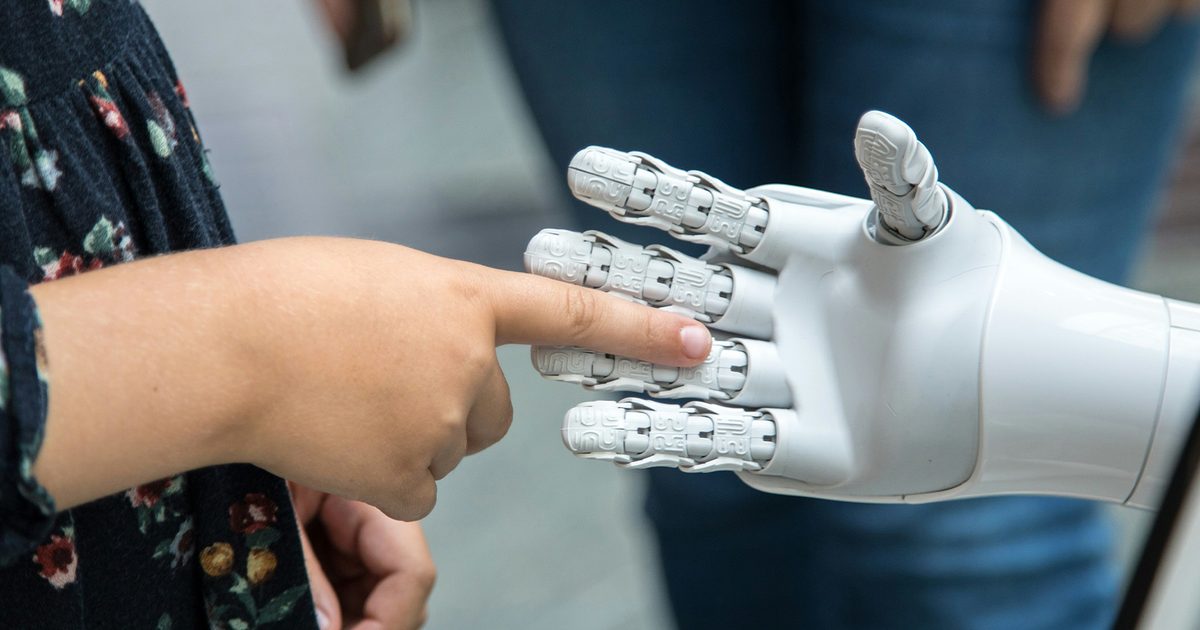
Samsung Robotics Strategy:
Samsung has clarified its immediate trajectory for its new RX division, signaling that industrial factory automation will take precedence over consumer humanoid robotics. While the firm maintains clear ambitions regarding the development of humanoid technology, these projects currently function as long-term research initiatives. Factory machines offer immediate practical applications for the conglomerate's manufacturing infrastructure, whereas autonomous robotic assistants and robot butlers remain distant goals without defined commercial launch timelines.
Focus on Efficiency:
The strategic pivot reflects a broader industry move toward optimizing manufacturing efficiency through robotic intervention. By concentrating resources on specialized machines within its own factories, Samsung aims to refine its core robotics capabilities before attempting to navigate the complex challenges of consumer-facing models. This approach allows the firm to leverage its existing infrastructure and technical expertise to derive tangible ROI while developing the essential components for future robotic systems.
Market Implications:
The absence of a concrete timeline for consumer robotics highlights the technical and market hurdles inherent in transitioning from industrial to domestic robotic solutions. Competitors and analysts will continue to monitor the progress of the RX division, as Samsung's long-term commitment to humanoids could eventually disrupt the market if R&D milestones are met. For now, the priority remains operational stability and the integration of automated tools that can directly improve the efficiency of Samsung’s vast production facilities.
Pulse Intelligence
Context & ImpactContext & Background
- Samsung launched its RX robotics division to centralize its research and development efforts in the field.
- Industry trends indicate that most major tech companies are currently focusing on industrial automation before scaling to consumer robotics.
Key Consequences
- Samsung's focus on factory machines will likely enhance their manufacturing speed and output precision.
- The absence of consumer robots leaves room for competitors with specialized robotic domestic solutions to gain market share.
Market & Economic Impact
No direct market impact.