
August 14, 2026 at 04:22 AM 2 min readworldbreaking
Romania Shuts Cernavoda Nuclear Plant Amid Record Danube Drought
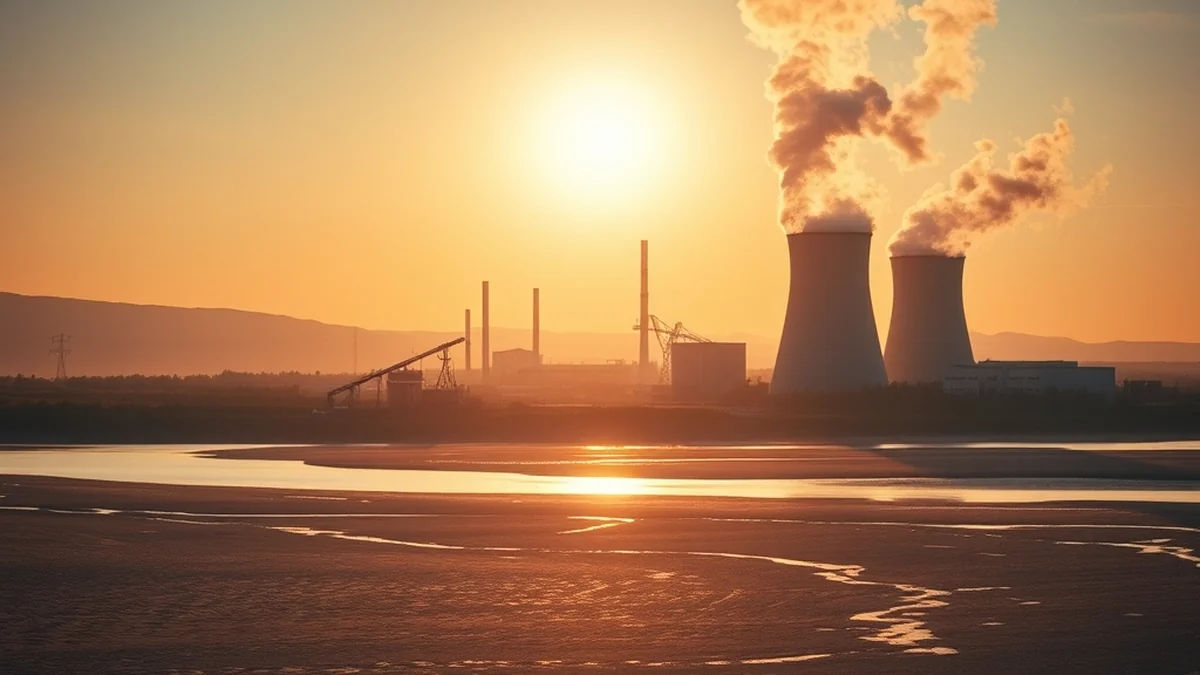
Cernavoda Nuclear Shutdown:
Romania has shut down the last working nuclear reactor at its Cernavoda power plant after a severe summer drought reduced the Danube River to historic low levels. State-controlled utility Nuclearelectrica announced on Thursday that the second of its two 706-megawatt reactors had to be disconnected from the grid because the river could no longer provide adequate cooling water. This complete halt of the facility, which typically generates 20% of Romania's total electricity, is not expected to be resolved for at least 10 days. The sudden loss of power has immediately disrupted supplies to neighbouring Moldova, which relies on Romania for 60% of its electricity needs.
European Drought Crisis:
This unprecedented shutdown stems from a prolonged European heatwave and historic lack of rainfall, which has depleted major waterways across the continent. Nearly two-thirds of the Danube River has recorded flow rates at 34-year lows, making it impossible for the plant's suction nozzles to draw sufficient cooling water. While Romanian authorities tried to raise water levels by sinking rock-loaded barges near the facility, the ongoing drop in river volume forced the emergency stoppage. This environmental crisis has forced Romania to activate a 330-megawatt lignite-fired plant and order production pauses at major car manufacturing plants like Dacia and Ford to conserve domestic power.
Global Supply Implications:
The nuclear crisis in Romania underscores how severe climate events disrupt global supply chains and energy security, highlighting critical lessons for India's own atomic ambitions. As India aggressively expands its nuclear energy capacity, including projects along major river basins, the European crisis illustrates the vulnerability of inland reactors to seasonal water shortages. Indian policy planners are closely studying these cooling vulnerabilities to ensure future domestic reactors employ closed-loop cooling systems and coastal configurations. For now, European countries face skyrocketing energy costs and potential manufacturing delays, while Moldova must secure expensive alternative imports from Ukraine or Western Europe to prevent rolling blackouts.
Pulse Intelligence
Context & ImpactContext & Background
- Romania previously experienced a similar river-related shutdown at the Cernavoda plant only once before in 2003 during another extreme summer heatwave.
- The Copernicus Climate Change Service identifies Europe as the fastest-warming continent, heating up at twice the global average rate and intensifying summer droughts.
Key Consequences
- Moldova faces immediate power shortages and rolling blackouts unless it secures expensive emergency electricity imports from Ukraine or western European grids.
- Major industrial operations in Romania, including manufacturing plants run by carmakers Dacia and Ford, must pause production to alleviate pressure on the national grid.
Market & Economic Impact
No direct market impact, but European energy supply strains could increase regional industrial manufacturing costs and affect global automotive supply chains.
The Indus Pulse is committed to accuracy and transparency.