
August 11, 2026 at 05:14 PM 2 min readworlddeveloping
Rising Safety Concerns Over Electric Scooters Across Global Cities
Escalating Safety Risks:
Recent studies and tragic incidents are highlighting significant safety challenges associated with the growing use of electric scooters in urban environments. A study from the United Kingdom suggests that e-scooter riders face a risk of brain injury three times higher than that of traditional motorcyclists, largely due to differences in helmet usage and vehicle stability. These findings arrive alongside reports of a fatal collision involving an electric scooter in Seattle, emphasizing the vulnerability of riders in mixed-traffic scenarios.
Regulatory Responses:
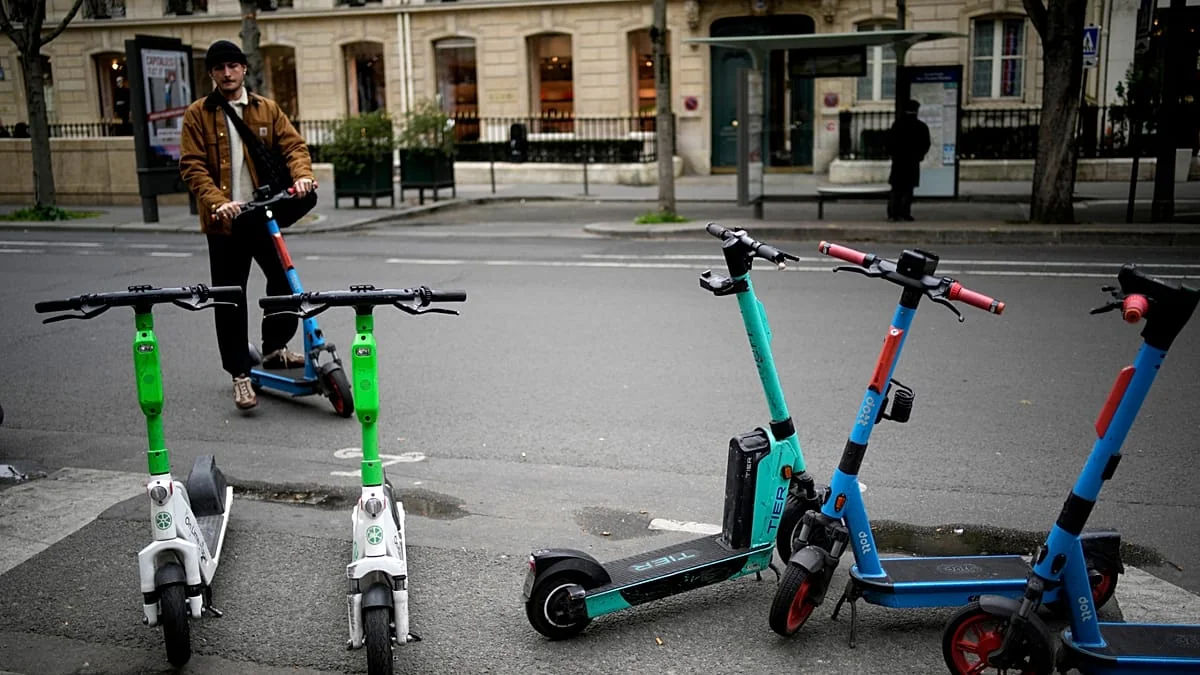
Cities are increasingly reacting to these safety concerns by tightening restrictions on micro-mobility options. Paris has recently introduced new measures to limit the operation of electric scooters, following a broader global trend of authorities reconsidering their integration into urban transit grids. These policy adjustments aim to mitigate the rising frequency of accidents, particularly those involving young or inexperienced users, who are often identified as high-risk groups in recent traffic reports.
Future Urban Mobility:
The push for stricter rules signifies a critical shift in how municipalities view the trade-off between the convenience of green micro-mobility and public safety requirements. While electric scooters have become a staple for last-mile connectivity in India and abroad, the focus is now moving toward mandatory safety infrastructure, such as improved lane segregation and standardized helmet laws. Future urban planning in India will likely need to account for these global regulatory developments to prevent similar accident spikes as e-scooter adoption continues to rise domestically.
Pulse Intelligence
Context & ImpactContext & Background
- Electric scooters have seen rapid adoption in metropolitan areas worldwide as a cost-effective alternative for urban commuters.
- Many cities initially provided minimal infrastructure or specific traffic regulations for small electric rideables, leading to increased safety concerns.
Key Consequences
- Municipal authorities are likely to implement stricter licensing and safety equipment requirements for e-scooter operators.
- Insurance costs for individual riders and fleet operators may rise as safety statistics continue to draw negative attention from policymakers.
Market & Economic Impact
Potential headwinds for micro-mobility startups and e-scooter manufacturers facing increased regulation and liability risks.
The Indus Pulse is committed to accuracy and transparency.