
Tech Desk July 18, 2026 at 02:01 PM 2 min readtechevergreen
Managing Thumb Pain From Excessive Smartphone Usage
The Physical Cost of Connectivity:
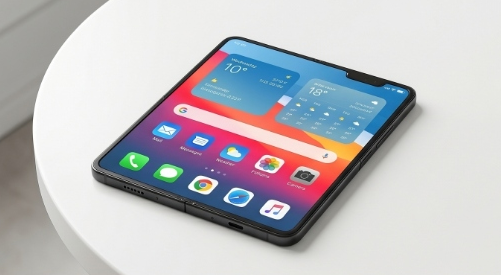
Excessive smartphone usage is leading to a rise in repetitive strain injuries, commonly referred to as texting thumb. Symptoms include joint stiffness, throbbing near the knuckle, and a clicking sensation when bending the thumb. Experts note that smartphones have grown larger and heavier, forcing hands into unnatural positions for extended periods. Common activities, from doomscrolling to watching long-form media, maintain these stresses on tendons and joints, potentially leading to chronic conditions such as arthritis or carpal tunnel if left unaddressed.
Remedial and Preventive Strategies:
Medical professionals emphasize the need for ergonomic adjustments rather than total device abstinence. Recommended practices include taking frequent breaks, switching hands while typing, and using index fingers instead of thumbs. Built-in accessibility features, such as voice-to-text and enlarging text sizes, significantly reduce the necessity to hold phones close or perform repetitive thumb movements. Grip accessories, such as ring-shaped stands, can also help distribute the weight of the device more evenly, reducing strain during prolonged usage periods.
When to Seek Medical Care:
Daily stretching is a vital maintenance tool for those who rely heavily on mobile devices. Simple exercises, such as wrist flexing and gentle thumb circles, can help maintain joint mobility. For persistent pain, numbness, or tingling that continues despite posture adjustments and rest, medical intervention is necessary. These symptoms may indicate inflammatory conditions like De Quervain's tenosynovitis or trigger thumb. Professionals stress that while mobile devices are essential for modern life, users must proactively practice ergonomics to avoid long-term skeletal or neurological damage.
Pulse Intelligence
Context & ImpactContext & Background
- Repetitive strain injuries have evolved from keyboard-heavy office environments to mobile-centric lifestyles where users constantly interact with touchscreens.
- Medical experts have increasingly warned about the long-term impact of maintaining fixed postures while holding heavy, large-format smartphones.
Key Consequences
- Greater public awareness of ergonomics may drive demand for phone accessories that provide better support and weight distribution.
- Increased adoption of voice-to-text features could mitigate long-term repetitive strain in the general population.
Market & Economic Impact
No direct market impact.