
August 10, 2026 at 04:50 AM 2 min readtechanalysis
Refurbished Smartphone Market Surges As New Device Costs Mount
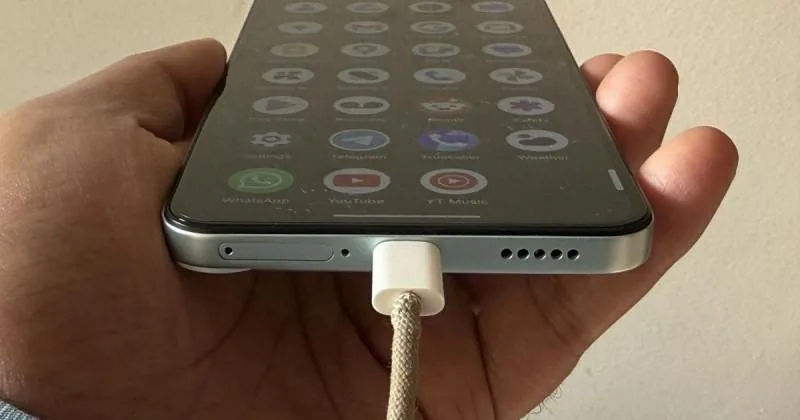
Global Refurbishment Demand Spike:
The global market for refurbished smartphones reached a historic milestone in the first quarter of 2026. Display shipments for refurbished devices surpassed those intended for new smartphone production for the first time. Data from industry tracker Omdia indicates that consumers are increasingly turning to pre-owned hardware. This shift reflects a broader change in consumer behavior as the price gap between new and used premium devices continues to widen. Manufacturers are now allocating more resources to service the secondary market as demand for high-quality used handsets hits record levels.
Supply Chain Cost Pressures:
High memory costs and component shortages forced many smartphone makers to reduce their production targets for new units early in 2026. These rising manufacturing expenses have been passed on to consumers, making brand-new flagship models less affordable. Consequently, the supply of phones entering the refurbished market has tightened, creating an unusual price floor for older devices. This trend is particularly evident with Apple products, where older iPhone models are retaining their value far longer than in previous cycles. The scarcity of trade-ins is further complicating the supply chain for secondary retailers.
Impact on Indian Consumers:
For the Indian market, this surge in refurbishment demand signals a shift in how mid-range buyers access premium technology. As new premium phones become more expensive, the organized refurbished sector in India is expected to see significant volume growth. However, the resilient pricing of older iPhones means that the expected price drops for used models may not materialize as quickly as before. Indian buyers should monitor the availability of certified refurbished units, which offer a balance between cost and performance. The trend highlights a maturing electronics ecosystem where longevity and resale value are becoming primary purchasing factors.
Pulse Intelligence
Context & ImpactContext & Background
- Smartphone manufacturers faced aggressive price hikes for NAND and DRAM components throughout late 2025.
- The secondary smartphone market has transitioned from unorganized local shops to structured platforms with warranties.
Key Consequences
- New smartphone production volumes may remain stagnant if component costs do not normalize by late 2026.
- Resale values for flagship devices like the iPhone 15 and 16 series will likely stay elevated.
Market & Economic Impact
The growth in the secondary market boosts revenue for third-party repair and refurbishment firms while challenging the margins of traditional budget phone makers.
The Indus Pulse is committed to accuracy and transparency.