
India Desk July 17, 2026 at 06:36 PM 2 min readindiabreaking
RBI Trials Polymer Currency Notes With New Global Tender
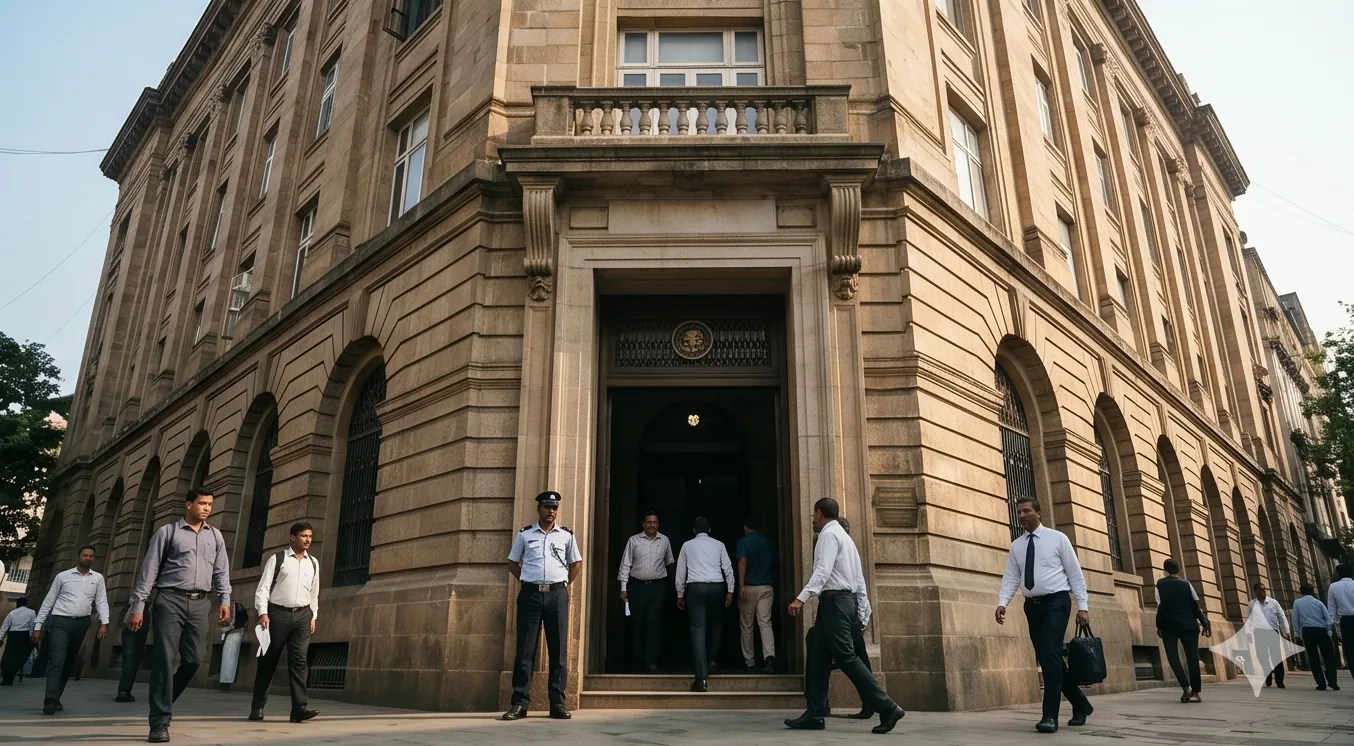
RBI Initiates Polymer Currency Trials:
The Reserve Bank of India (RBI) has formally begun preparations to transition toward polymer currency notes, with its subsidiary, Bharatiya Reserve Bank Note Mudran Private Limited (BRBNMPL), floating a global tender for polymer substrate sheets. The tender seeks bids for 68,000 reams of Biaxially Oriented Polypropylene-based Opacified Polymer Substrate, intended for use in printing two specific note denominations at BRBNMPL and Security Printing and Minting Corporation of India (SPMCIL) presses.
Strategic Rationale and Security:
This move follows earlier indications from the RBI leadership that polymer notes were being examined for their durability and security advantages. Compared to traditional paper notes, polymer notes are known to last two to six times longer, offering a significant reduction in long-term manufacturing costs and environmental impact. The tender includes strict security protocols, prohibiting the use of raw materials from China or Pakistan and requiring bidders to firewall operations from those nations to prevent counterfeit risks.
Future Outlook and Implementation:
The current tender serves as an immediate requirement to facilitate field trials. Successful outcomes from these trials could pave the way for broader procurement and eventual circulation of polymer notes across various denominations. As of March 2026, the RBI reported over 17,000 crore currency notes in circulation, costing nearly ₹4,875 crore to print annually. Enhanced security features in polymer substrates are expected to assist in mitigating the rising detection of counterfeit notes, which reached 2.3 lakh pieces last year. The deadline for global tender submissions is August 18, 2026.
Pulse Intelligence
Context & ImpactContext & Background
- RBI Governor Sanjay Malhotra mentioned during a June 2026 press conference that the move to polymer was under consideration.
- Polymer currency notes were first introduced by Australia in 1988 and are now used in over 50 countries worldwide.
Key Consequences
- The introduction of polymer notes could significantly lower the RBI's annual currency printing and distribution expenses.
- Heightened security of polymer material is expected to reduce the incidence of high-quality counterfeit notes in circulation.
Market & Economic Impact
Potential long-term cost savings for the RBI's currency management operations.