
July 31, 2026 at 04:18 AM 2 min readindiaanalysis
Railway Minister Explains Manpower Norms For TTEs On Express Trains
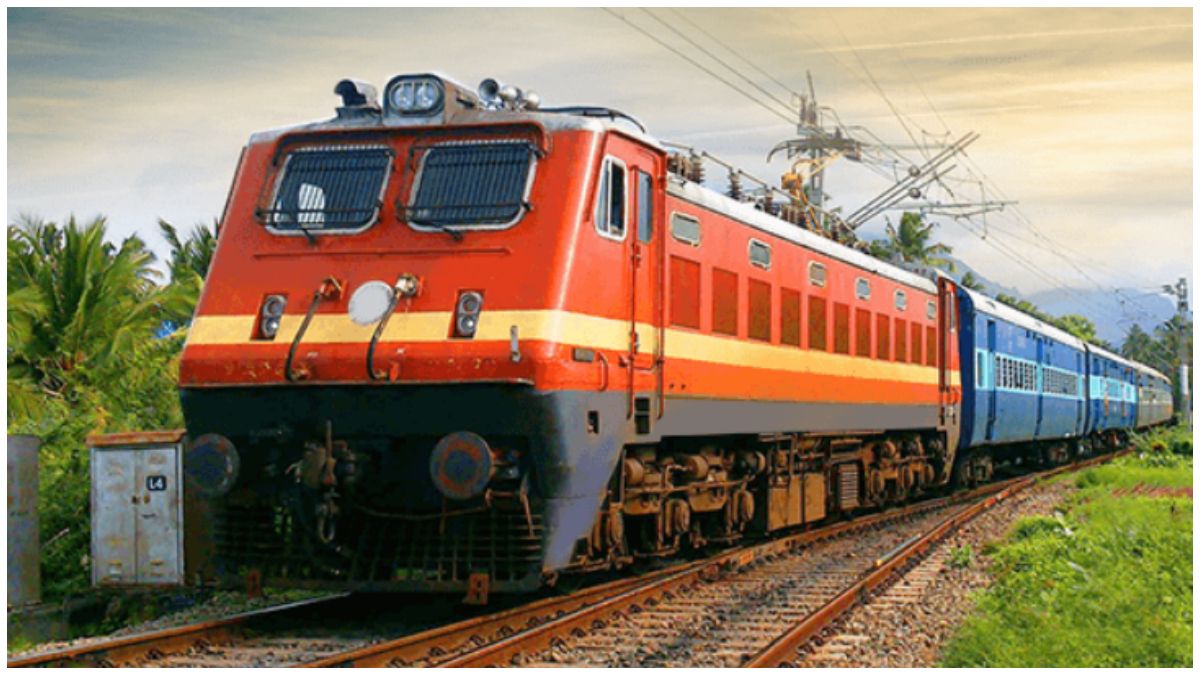
Railway Minister Ashwini Vaishnaw provided a detailed explanation of the manpower policy for Traveling Ticket Examiners (TTEs) during a Lok Sabha session on Thursday. The Minister clarified the coach-wise deployment norms that the Indian Railways currently follows to maintain operational efficiency. These guidelines dictate the specific number of coaches a single examiner is expected to cover, varying based on the type of train and class of travel. The clarification aims to address public queries regarding the visibility and availability of checking staff on long-distance routes.
According to the established norms, the deployment of staff is scaled based on the passenger density and service requirements of the train. For premier services like Rajdhani or Shatabdi Express, the ratio of TTEs to coaches is higher to ensure premium service and rigorous checking. In contrast, for standard Express and Mail trains, a single TTE may be responsible for a set of three to four coaches in the Sleeper class. The Minister emphasized that these norms are designed to balance staff workload with the necessity of preventing ticketless travel and ensuring passenger security throughout the journey.
The Minister's statement also touched upon the broader manpower policy of the Indian Railways, which is one of the world's largest employers. He noted that the ministry continuously reviews these deployment norms to adapt to the increasing number of trains and the integration of digital ticketing technologies. While the current manpower handles the existing fleet, there is an ongoing focus on optimizing staff presence through strategic shifts and technology-led checking systems. This update is significant for millions of daily commuters as it directly impacts the quality of onboard assistance and the enforcement of railway regulations.
Pulse Intelligence
Context & ImpactContext & Background
- Indian Railways has been under pressure to improve onboard services following reports of overcrowding in reserved coaches.
- The transition to digital ticketing has shifted some checking responsibilities from manual verification to handheld terminal devices used by TTEs.
Key Consequences
- A potential increase in recruitment for ticket checking staff if current deployment ratios are found insufficient for the expanded train network.
- Stricter enforcement of checking norms in Sleeper and General classes to curb the rising issue of unauthorized passengers in reserved coaches.
Market & Economic Impact
No direct market impact.
The Indus Pulse is committed to accuracy and transparency.