
21 Aug 2026, 09:23 AM 2 min readindiaanalysis
Punjab’s New Sacrilege Law Ignites Debate over Religious Expression
Expanded Legal Scope:
Punjab’s recently enacted sacrilege law has sparked a nationwide debate regarding the boundaries of religious protection and secular principles. The new legislation significantly broadens the definition of sacrilege beyond the physical desecration of the Guru Granth Sahib, the holy scripture of the Sikhs. Under the current framework, the law now encompasses expressive conduct, including words, signs, and visible representations that are deemed offensive to the faith. This expansion marks a major shift in the state's legal approach to handling religious sensitivities, moving from protecting physical objects to policing verbal and symbolic communication.
Secularism and Criminalisation:
Legal experts and civil rights activists have raised concerns about the potential for this law to infringe upon the freedom of expression in a secular republic. By criminalizing 'expressive conduct' that offends religious sentiments, the law brings a wide range of public discourse under the threat of prosecution. Critics argue that the vague wording of the statute could lead to misuse, where subjective interpretations of what constitutes an 'offense' are used to silence dissent or academic critique. The debate highlights the ongoing tension in India between maintaining communal harmony and protecting the constitutional right to free speech.
Historical Context and Future Challenges:
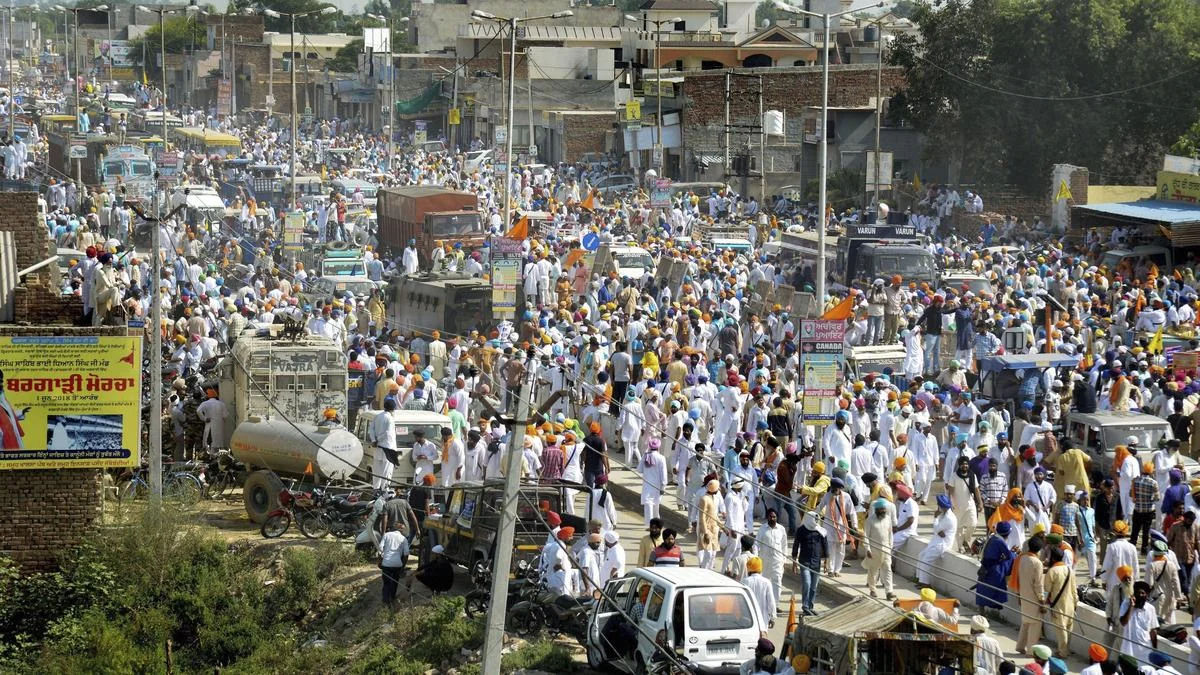
The push for stricter sacrilege laws in Punjab follows years of social unrest linked to various incidents of desecration that have occurred across the state. Previous attempts to legislate this issue focused primarily on life imprisonment for those who damaged religious texts. However, the current law’s inclusion of signs and representations takes the legal framework into unchartered territory. As legal challenges are likely to be mounted in higher courts, the judiciary will have to decide whether these provisions align with the secular fabric of the Indian Constitution or if they represent an overreach of state power in religious matters.
Pulse Intelligence
Context & ImpactContext & Background
- Punjab has witnessed several high-profile sacrilege cases over the last decade, leading to mass protests and political shifts in the state.
- In 2018, the Punjab Assembly passed a bill to amend the IPC to include life imprisonment for the desecration of four religious books, but it faced challenges at the central level.
Key Consequences
- The law is likely to be challenged in the Supreme Court on the grounds of violating Article 19 (Freedom of Speech).
- Social media platforms may face increased pressure from state authorities to take down content that could be interpreted as 'signs or representations' of sacrilege.
Market & Economic Impact
No direct market impact.
The Indus Pulse is committed to accuracy and transparency.