
August 14, 2026 at 01:37 PM 2 min readworldanalysis
Political Mobilisation in PoK: A Historical Perspective
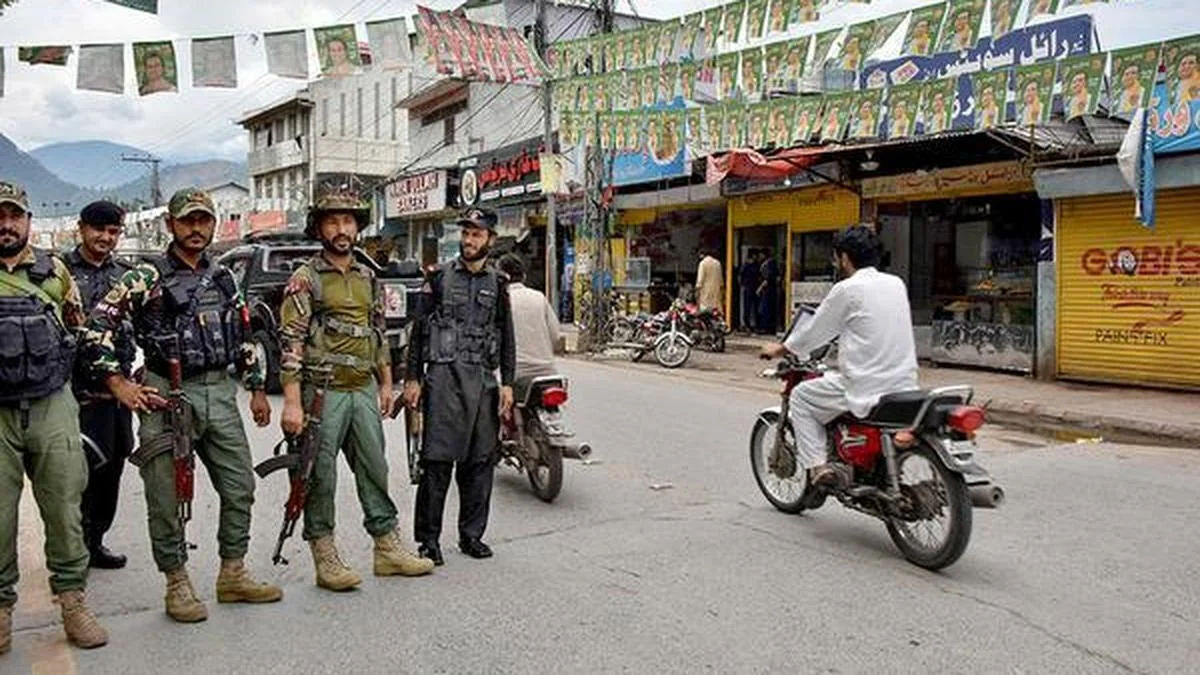
Rise of Collective Action:
The political landscape in Pakistan-occupied Kashmir (PoK) has undergone a significant transformation, characterized by the emergence of new forms of civil-society mobilization. Central to this shift is the Jammu Kashmir Joint Awami Action Committee, which gained prominence in 2023 as a broad umbrella organization representing the collective interests of traders, various local activists, and diverse civil constituencies.
Historical Roots of Unrest:
This wave of political activism is deeply rooted in long-standing grievances that have simmered within the region for years. The recent rise in mobilization represents a tactical evolution from scattered protest activities into a more cohesive and structured platform, allowing marginalized groups to challenge traditional political power dynamics and advocate for systemic change.
Future Implications:
The consolidation of these groups signifies an increasingly organized political environment that could pose long-term challenges to existing governance structures. Observers are monitoring how this platform continues to influence local discourse, as the committee's ability to maintain unity among disparate groups will likely determine the efficacy of its advocacy on issues ranging from economic policies to civil rights.
Pulse Intelligence
Context & ImpactContext & Background
- The Jammu Kashmir Joint Awami Action Committee formed in 2023 to unify various advocacy groups.
- Economic and social grievances in the region have historically led to periodic civil unrest.
Key Consequences
- Increased pressure on local governance structures to address the unified demands of the civil-society coalition.
- The platform may become a template for future political challenges within the region if it maintains its coalition unity.
Market & Economic Impact
No direct market impact.
The Indus Pulse is committed to accuracy and transparency.