
August 9, 2026 at 04:18 AM 2 min readindiaanalysis
Pilots Urge PM Modi To Replace DGCA With Autonomous Aviation Body
Proposed Regulatory Overhaul:
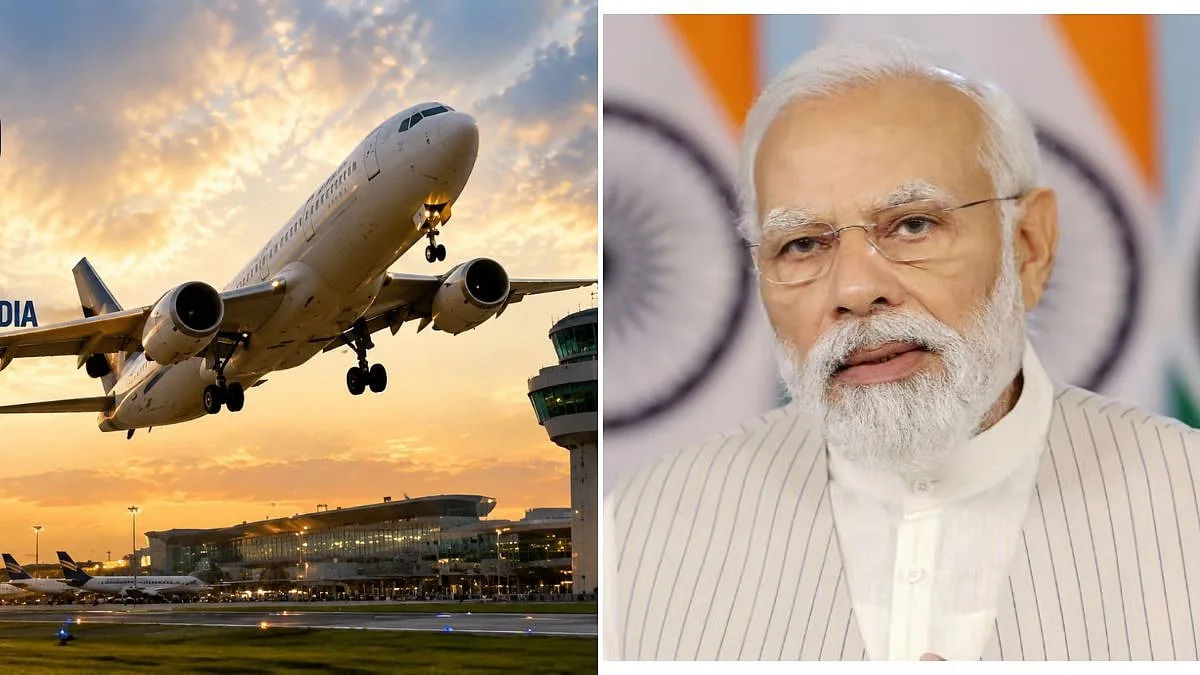
The Federation of Indian Pilots (FIP) has formally requested Prime Minister Narendra Modi to replace the Directorate General of Civil Aviation (DGCA) with a newly created, autonomous Civil Aviation Authority (CAA). In a detailed letter, the pilots' body argued that the current regulator lacks the financial flexibility and administrative independence required to govern a rapidly expanding sector. The FIP contends that a statutory body, similar to international models like the FAA in the United States, would be better equipped to manage the complexities of modern air travel and safety protocols in India.
Challenges with the DGCA:
The FIP highlighted several systemic issues within the DGCA, including a critical shortage of specialized technical experts and regulatory bottlenecks. Under the current structure, the DGCA operates as an attached office of the Ministry of Civil Aviation, which the FIP claims limits its ability to make independent safety decisions. The body emphasized that the current surge in aircraft orders and the entry of new airlines require a regulator that can recruit top-tier talent from the industry without being hampered by rigid bureaucratic pay scales and recruitment rules. This lack of independence is seen as a potential risk to India's long-term aviation safety record.
Implications for Aviation Safety:
Establishing a statutory CAA could significantly enhance India's safety oversight capabilities, aligning them with global standards. The FIP believes that such a move would allow for more rigorous auditing of airline operations and more efficient certification processes for new technologies. As India aims to become the world's third-largest aviation market, the need for a robust and independent regulator has become a central topic of debate among stakeholders. The proposal suggests that a CAA would have its own funding mechanisms, potentially through passenger levies or industry fees, ensuring it remains insulated from annual budgetary fluctuations.
Pulse Intelligence
Context & ImpactContext & Background
- The proposal to convert the DGCA into a Civil Aviation Authority was first mooted over a decade ago but faced legislative delays.
- India's aviation sector is currently seeing record-breaking aircraft orders from carriers like Air India and IndiGo.
Key Consequences
- If approved, the transition to a CAA would involve a major legislative overhaul during a future Parliament session.
- A more autonomous body could lead to stricter enforcement of flight duty time limitations and pilot training standards.
Market & Economic Impact
Successful regulatory reform could improve the global safety rating of Indian carriers, potentially lowering insurance premiums and attracting more international codeshare agreements.
The Indus Pulse is committed to accuracy and transparency.