
August 13, 2026 at 06:20 PM 2 min readindiabreaking
Parliament 2026 Monsoon Session Ends: Disruptions Stall Key Business
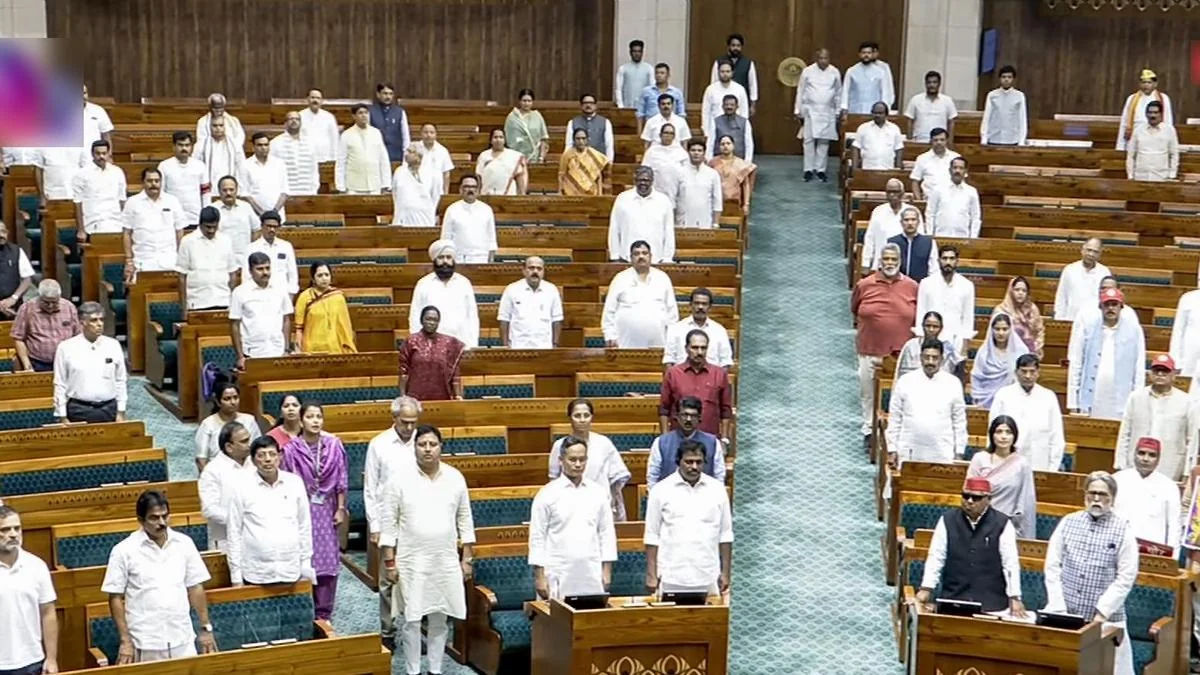
Monsoon Session Conclusion:
The 2026 Monsoon Session of Parliament concluded on August 13 with proceedings ending in a near washout. Both the Lok Sabha and Rajya Sabha faced consistent disruptions from opposition parties, leading to early adjournments. While several key bills were passed, many received approval without meaningful floor debate or scrutiny. The session ranks among the least productive in recent years, reflecting a deep legislative deadlock between the government and the opposition benches.
Reasons for Parliamentary Deadlock:
Frequent disruptions stemmed from intense opposition demands for discussions on high-profile issues. Leaders raised concerns regarding alleged police brutality against protesters at Jantar Mantar and controversies involving NEET examination conduct. Additional friction points included the Ayodhya Ram Mandir donation row and Foreign Contribution Regulation Act amendments. These disagreements prevented regular business and forced the government to push through legislation like the Tribunals Reforms Bill, 2026, amidst heavy sloganeering and protests.
Impact on Indian Governance:
The lack of productivity raises serious concerns about the legislative health of the world's largest democracy. Moving forward, the government must find ways to engage the opposition to ensure vital bills undergo proper scrutiny before becoming law. For the average Indian, this deadlock means that critical policy debates on healthcare, education, and social welfare remain unresolved. Analysts expect the focus to now shift toward upcoming state elections and the winter session where these same issues may resurface.
Pulse Intelligence
Context & ImpactContext & Background
- The 2026 Monsoon Session began on July 21 and was scheduled to run through mid-August.
- Parliament has seen a trend of decreasing productivity over the last five years due to frequent protests and walkouts.
Key Consequences
- Several pending bills will now be deferred to the Winter Session or passed via ordinances.
- Public trust in parliamentary processes may decline if legislative washouts continue to occur.
Market & Economic Impact
Policy uncertainty from the legislative deadlock may slightly dampen investor sentiment in sectors awaiting regulatory clarity.
The Indus Pulse is committed to accuracy and transparency.