
August 10, 2026 at 07:37 AM 2 min readhealthanalysis
Parkinson's Disease Medications Linked To Behavioral Side Effects
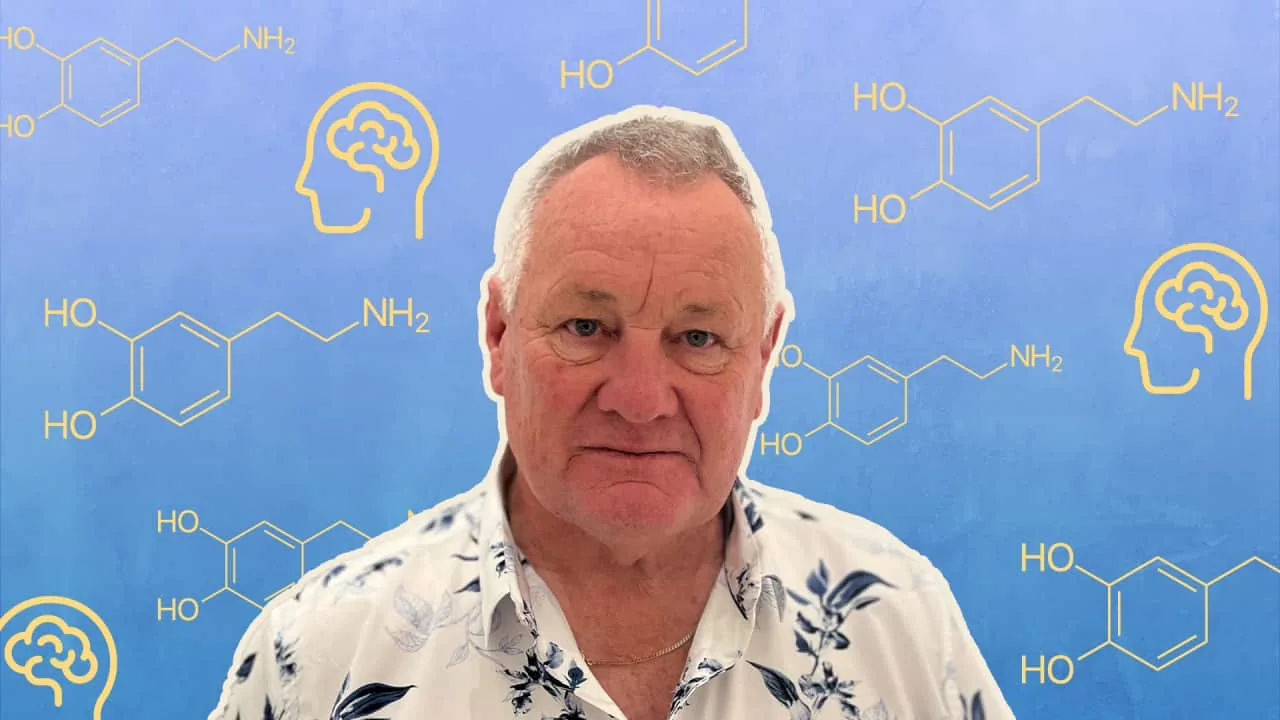
Neurotransmitter Impact:
Clinical observations suggest that certain treatments for Parkinson's disease, specifically those targeting dopamine, may inadvertently trigger unexpected behavioral shifts in patients. Specialists have noted that these medications, while essential for managing motor symptoms, can affect the brain's reward and behavioral systems. This has led to cases where individuals experience obsessive thoughts or compulsive behaviors, including hypersexuality, as a direct consequence of their therapeutic regimen.
Dopaminergic Role in Habits:
The neurotransmitter dopamine is fundamental to motivation, learning, and habit formation. By artificially increasing dopamine levels in the brain, patients may experience an altered sense of reward, leading to unintended behavioral changes that deviate from their baseline personality. Experts emphasize that these side effects are physiological rather than psychological in origin, resulting from the chemical modulation necessary to restore motor function. Understanding the nuances of these interactions is vital for clinicians to adjust dosages and mitigate potential distress for patients and their families.
Clinical Management and Vigilance:
Addressing these behavioral complications requires a balanced approach to medication management, involving regular monitoring and open communication between patients and neurology teams. The incident highlights the complexity of balancing symptomatic relief against the psychological side effects inherent in long-term pharmacological treatments for degenerative neurological conditions. In India, where access to neurological specialists is increasing, awareness of these side effects is critical for effective patient care. Looking forward, the development of targeted therapies that minimize neurological side effects while maintaining motor efficacy remains a primary objective for the medical research community.
Pulse Intelligence
Context & ImpactContext & Background
- Dopamine agonists have historically been used to treat the motor symptoms of Parkinson's disease.
- Previous research has documented the link between high-dose dopamine medications and impulse control disorders.
Key Consequences
- Increased focus on monitoring behavioral changes during Parkinson's disease treatment cycles.
- Need for better patient education regarding the potential psychological side effects of dopaminergic therapy.
- Ongoing research into more selective neuro-modulatory drugs that avoid systemic behavioral impacts.
Market & Economic Impact
No direct market impact.
The Indus Pulse is committed to accuracy and transparency.