
August 12, 2026 at 07:37 AM 2 min readworldanalysis
Panama Canal Congestion Drives Up Shipping Costs Globally
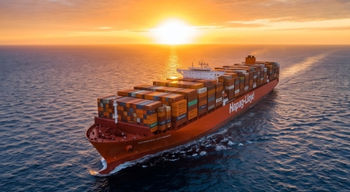
Panama Canal Transit Delays:
Global logistics providers continue to grapple with significant operational bottlenecks at the Panama Canal as persistent water shortages restrict the number of daily transits. These constraints force commercial vessels to endure prolonged wait times or pay substantial premiums to secure priority passage through the vital maritime shortcut. Large container ships and bulk carriers remain the most affected, as the canal authority mandates draft restrictions to preserve water levels during this extended period of meteorological volatility.
Operational Causes and Trade Barriers:
The primary driver behind these delays is a prolonged drought, which has severely reduced the volume of water available to operate the canal's complex lock system. In previous years, the canal served as a primary conduit for nearly 6 percent of global maritime commerce, but these capacity limits have now forced significant rerouting. Logistics companies are absorbing millions in additional fees to skip queues, an expense that eventually filters down to the end consumer through elevated freight rates on various imported goods.
Long-term Trade Implications:
Future trade stability hinges on the seasonal recovery of water levels within the canal's reservoir system. While operators are exploring various mitigation strategies, current projections suggest that transit bottlenecks will persist until weather patterns shift decisively. This situation remains a critical focal point for global supply chains that rely on predictable transit times to manage inventory costs. Analysts expect that any further contraction in available daily slots will exacerbate inflationary pressures on goods transported between Asia and the Americas, directly impacting the cost structures for international retailers and manufacturers.
Pulse Intelligence
Context & ImpactContext & Background
- The Panama Canal has faced extreme water scarcity due to lower-than-average rainfall in recent years.
- Canal authorities have been forced to implement strict daily transit slot reductions to manage water conservation.
Key Consequences
- Shipping operators will continue to pay significant premiums to bypass existing transit queues.
- Global consumers may see persistent price increases as carriers pass on higher logistical expenses.
- Supply chain disruptions may intensify if water levels fail to recover significantly during the next wet season.
Market & Economic Impact
No direct market impact.
The Indus Pulse is committed to accuracy and transparency.