
Markets Desk July 21, 2026 at 12:33 PM 2 min readmarketsbreaking
Pakistan Procures Costliest LNG Spot Cargo for July
Significant Energy Procurement:
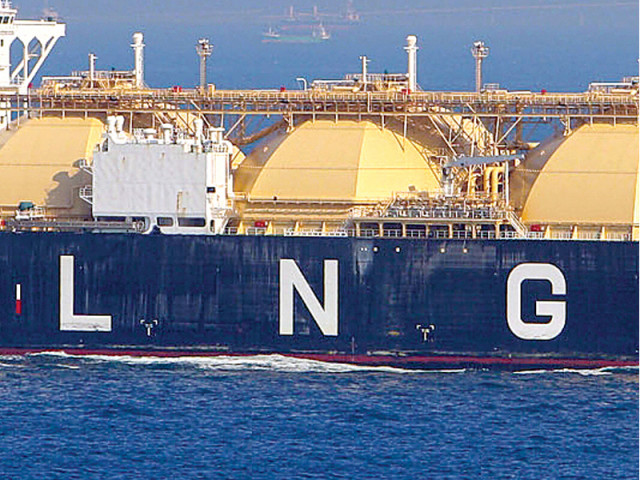
Pakistan has finalized the purchase of its most expensive Liquefied Natural Gas (LNG) spot cargo for the month of July. This procurement marks a significant increase in energy import costs, highlighting the pressures currently facing the national economy. The purchase is aimed at fulfilling immediate domestic energy requirements, despite the elevated global market pricing that has strained national reserves and fiscal balance.
Economic Pressure Factors:
The decision to acquire this high-priced cargo reflects the urgent necessity to address persistent energy shortages that threaten industrial productivity and domestic stability. Global market volatility, combined with intense demand for energy resources, has kept spot prices at premiums that challenge emerging economies. This reliance on the spot market indicates limited availability of cheaper long-term contracts, forcing the state to pay record-high prices to ensure a steady supply of natural gas through the summer period.
Broader Implications:
High energy procurement costs carry deep consequences for Pakistan's inflation levels and trade deficit. For India, this development is a reminder of the vulnerability of energy-importing nations to global price spikes and market instability. India’s energy sector continues to prioritize diversification and long-term security to mitigate similar risks. The procurement situation in Pakistan remains a key indicator to watch, as sustained high import costs may force further fiscal adjustments and impact the overall macroeconomic outlook for the region.
Pulse Intelligence
Context & ImpactContext & Background
- Pakistan has frequently faced energy supply issues and foreign exchange constraints affecting its ability to import fuel.
- Global spot LNG prices have remained volatile due to shifting geopolitical conditions and supply chain disruptions.
Key Consequences
- Pakistan's national import bill for energy will likely increase significantly, impacting fiscal deficit targets.
- Domestic energy prices may be adjusted upwards to reflect the high procurement costs incurred by the state.
Market & Economic Impact
Increased energy costs in the region may put pressure on regional currencies and fuel inflationary trends.