
August 4, 2026 at 01:36 PM 2 min readworlddeveloping
Pakistan Interior Minister Mohsin Naqvi Signals Governance Breakdown
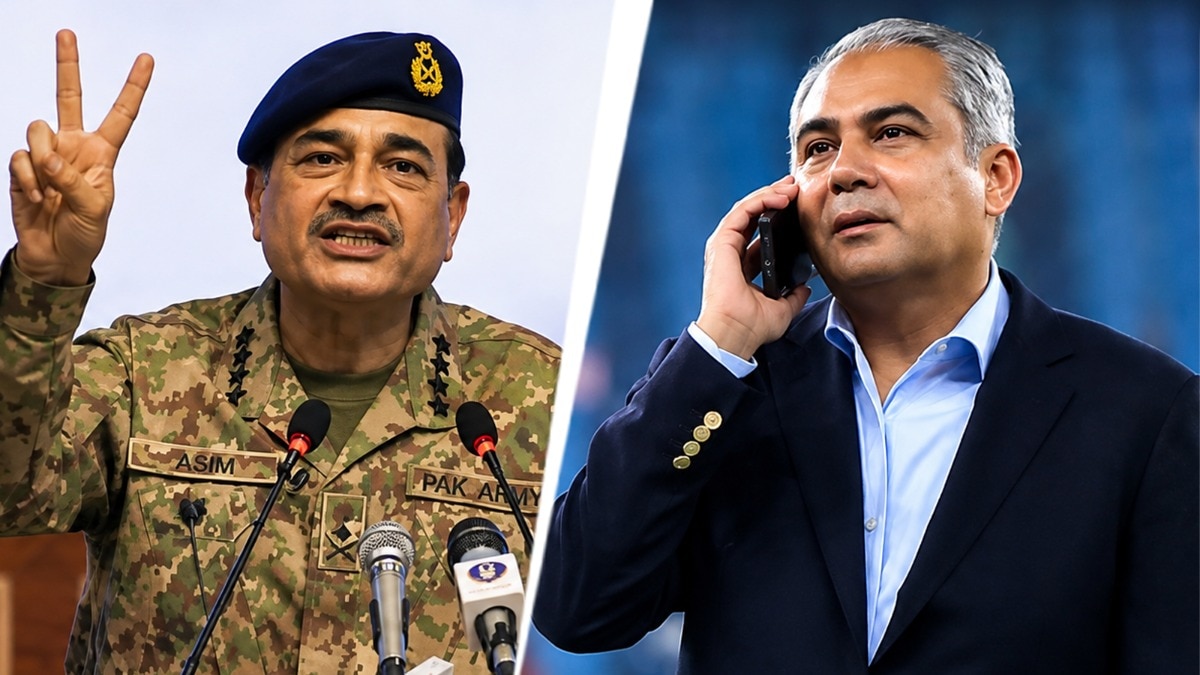
Governance Crisis in Pakistan:
Pakistan's political landscape faces fresh instability following remarks by Interior Minister Mohsin Naqvi regarding a potential collapse of the governance system. Mohsin Naqvi cautioned that the current administration faces significant pressure, with the government's stability increasingly under scrutiny amidst a reported rift with Prime Minister Shehbaz Sharif. Analysts note that these admissions of administrative failure coincide with growing calls for structural changes, including proposals to create new provinces, which have gained backing from certain coalition partners.
Roots of Political Instability:
The current situation reflects deep-seated economic and administrative strains that have plagued the country for months. Persistent inflation and challenges in service delivery have weakened public confidence in the central government. The reference to 'cockroaches' by government officials when discussing youth movements highlights the anxiety within the political establishment regarding a potential popular uprising if the current coalition fails to address public grievances or maintains its perceived lack of unity.
Implications for Regional Stability:
The potential for a power shake-up carries significant weight for regional security and India's diplomatic strategy. Any internal collapse or major shift in Pakistani leadership necessitates a cautious approach from New Delhi, as it monitors potential spillover effects on border stability and bilateral relations. Observers are closely watching the interplay between the civilian government and the military establishment to see if the current governance model can survive the mounting internal pressure or if a drastic restructuring of the federal system is imminent.
Pulse Intelligence
Context & ImpactContext & Background
- The Pakistani government has been struggling with chronic economic instability and high inflation throughout the first half of 2026.
- Proposals for redistributing provinces have been a recurring theme in the country's domestic political discourse as a solution to local governance issues.
Key Consequences
- The government may face a formal vote of no confidence or a major cabinet reshuffle in the coming weeks.
- Increased volatility in Pakistani domestic politics could influence border security postures along the Line of Control.
- Proposals for new administrative provinces could lead to localized civil unrest if debated without consensus.
Market & Economic Impact
The political uncertainty in Pakistan may contribute to regional instability, potentially affecting trade sentiment and cross-border security costs.
The Indus Pulse is committed to accuracy and transparency.