
August 8, 2026 at 11:35 AM 2 min readworlddeveloping
Pakistan Fuel Crisis: Massive Protests Erupt Over Steep IMF Petrol Levy
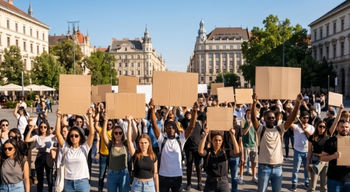
Pakistan Nationwide Petrol Protests:
Citizens and political activists have swarmed the streets of Pakistan to protest against soaring fuel and grocery prices. Led by the Jamaat-e-Islami party, demonstrators blocked major transit routes, including Sharea Faisal in Karachi. The protests target the government's steep petroleum levy, which was implemented under international pressure. Demonstrators chanted angry slogans against the International Monetary Fund as the cost of living reaches critical levels.
IMF Mandated Economic Reforms:
The current unrest stems from severe inflationary pressures and recent hikes in petrol and diesel prices. To secure a crucial bailout package from the International Monetary Fund, the Pakistani government agreed to impose heavy levies on petroleum products. These fiscal measures have directly increased the cost of daily goods and transportation. Consequently, the public and local business owners feel the immediate financial burden, sparking widespread resentment. Petroleum dealers have scheduled an emergency meeting for August 10, 2026, to discuss a potential nationwide strike, while goods transporters also threaten to halt operations.
Economic Fallout and India Impact:
The Pakistani government has formed a high-powered committee to negotiate with transporters and avert a crippling logistics strike. If talks fail, a nationwide transport halt will freeze supply chains and worsen food shortages. For India, Pakistan's deepening economic instability poses regional security risks and delays any potential trade normalisation. New Delhi is monitoring the situation closely as social unrest grows along its western border.
Pulse Intelligence
Context & ImpactContext & Background
- Pakistan has faced chronic economic instability, relying on successive IMF bailout packages to prevent sovereign default.
- Recent government budgets have aggressively raised taxes and utility prices to meet strict international loan conditions.
Key Consequences
- A successful transporters' strike starting after August 10, 2026, would paralyze food and goods distribution across key provinces.
- The political opposition, particularly religious parties, will likely gain momentum by capitalising on public anger.
Market & Economic Impact
Increased political instability in Pakistan could further weaken the Pakistani Rupee and dampen regional trade prospects.
The Indus Pulse is committed to accuracy and transparency.