
31 Aug 2026, 11:40 AM 2 min readhealthdeveloping
PAHO and WHO Escalate Bird Flu Monitoring Amid Global Concerns
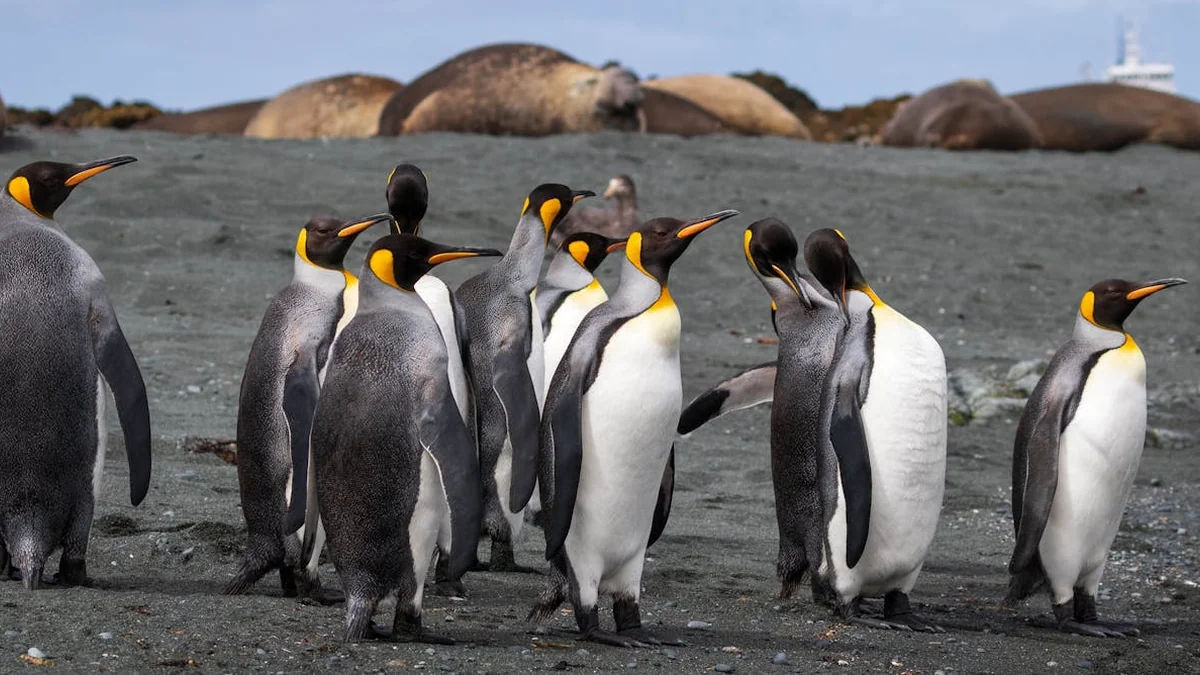
Global Avian Flu Surveillance:
Health authorities, including the Pan American Health Organization (PAHO) and the World Health Organization (WHO), have issued urgent calls for sustained vigilance as avian influenza, specifically the H5N1 strain, continues to circulate across multiple regions. Recent updates indicate that while some areas in the Americas report a decline in cases, the threat remains persistent, necessitating ongoing monitoring of wildlife and domestic poultry populations to prevent potential zoonotic transmission.
The Necessity of Monitoring:
The heightened state of alert is driven by the risk of the virus mutating to spread more efficiently among humans. Experts emphasize that robust epidemiological data collection and genetic sequencing of samples are essential to identify early warning signs of a shift in the virus's behavior. This surveillance is critical to protecting both human health and agricultural sectors from widespread outbreaks that could overwhelm public health systems.
Impact and Future Action:
The situation demands a coordinated international response, including funding for vaccine development and the protection of vulnerable species. For India, which is currently managing its own seasonal flu surge, the global bird flu landscape highlights the importance of strengthening local veterinary and public health infrastructure to guard against potential cross-border threats. Continuous genomic tracking and proactive risk assessment remain the primary pillars of the global strategy to mitigate this ongoing biological challenge.
Pulse Intelligence
Context & ImpactContext & Background
- Avian influenza H5N1 has caused significant economic losses in the poultry sector and concerns over potential pandemic risks.
- Global health organizations have been tracking the spread of the virus through migratory bird populations for several years.
Key Consequences
- Enhanced screening protocols for poultry and wildlife in regions identified as high-risk zones.
- Increased global allocation of funds toward avian flu research and vaccine research programs.
- Potential for trade disruptions in the poultry industry as countries implement stricter import regulations.
Market & Economic Impact
Potential volatility in poultry-related stocks due to biosecurity concerns and trade restrictions.
The Indus Pulse is committed to accuracy and transparency.