
18 Aug 2026, 08:33 PM 2 min readaibreaking
OpenAI Launches ChatGPT for Teens with Enhanced Learning Guardrails
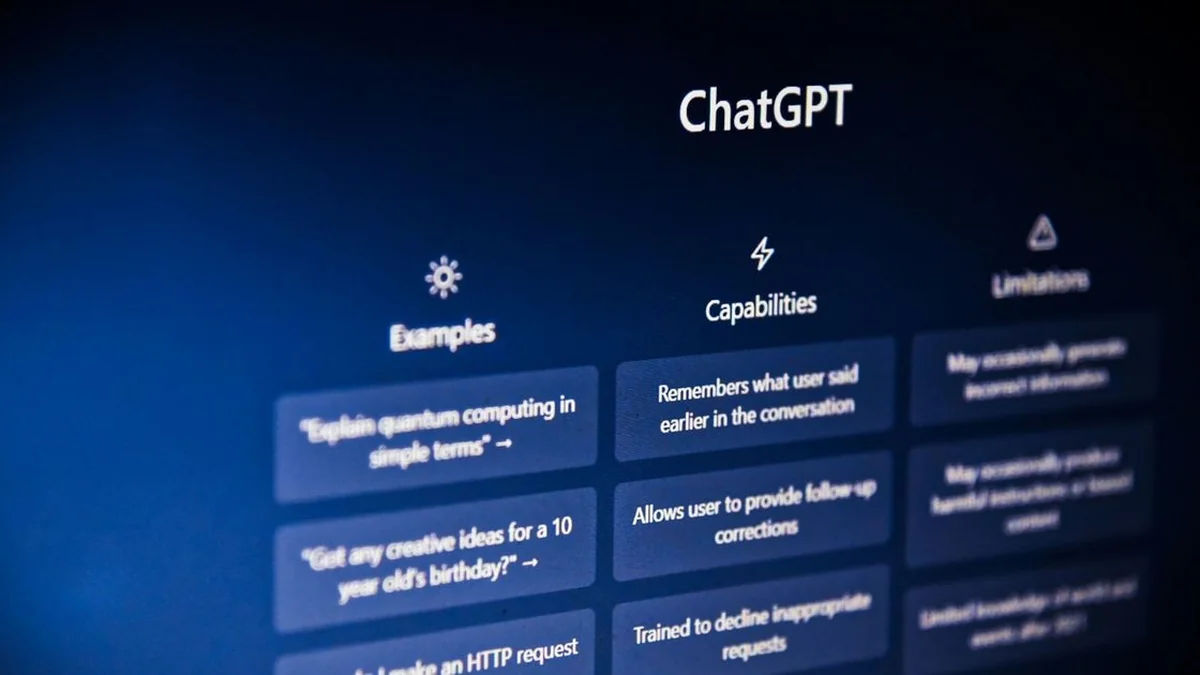
Educational AI Launch:
OpenAI has officially introduced a dedicated version of ChatGPT designed specifically for teenagers, aiming to balance the utility of generative artificial intelligence with strict safety protocols. This new iteration focuses on educational support, positioning the chatbot as a tutor rather than a shortcut for school assignments. By implementing rigorous guardrails, the platform seeks to address concerns regarding the misuse of AI in academic settings while providing a structured environment for younger users to interact with large language models safely.
Learning-First Guardrails:
The teen-focused experience is engineered to support homework and studying by guiding students through complex concepts instead of simply generating complete essays or providing direct answers. This shift from an answer machine to an educational assistant is part of OpenAI's broader strategy to integrate AI into the classroom responsibly. The system includes enhanced content moderation to filter out age-inappropriate responses and features developed in consultation with child safety experts to ensure that the AI's tone remains encouraging and pedagogically sound for users under eighteen.
Indian Digital Education Impact:
For the Indian student population, which represents one of the world's largest digital-first learner bases, this launch provides a more regulated alternative to unrestricted AI tools. As educational institutions across Bengaluru, Delhi, and Mumbai grapple with AI policies, OpenAI’s specialized version could set a standard for how Indian edtech platforms integrate generative tools. The immediate focus will now shift to how parents and teachers monitor usage and whether these learning-first guardrails effectively deter academic dishonesty while fostering genuine critical thinking skills among Indian youth.
Pulse Intelligence
Context & ImpactContext & Background
- OpenAI previously restricted users under 13 and required parental consent for those under 18 for standard ChatGPT access.
- Global education boards have expressed significant concern over AI-generated plagiarism and the erosion of student critical thinking skills.
Key Consequences
- Educational institutions may begin officially incorporating this regulated AI version into their curricula.
- Competitors like Google and Meta are likely to launch similar age-restricted AI versions to compete in the education sector.
Market & Economic Impact
This move strengthens OpenAI's position in the massive global edtech market, potentially increasing its long-term user retention among the younger demographic.
The Indus Pulse is committed to accuracy and transparency.