
August 2, 2026 at 11:35 AM 2 min readaibreaking
OpenAI Launches GPT-4o Model With Real-Time Multimodal Capabilities
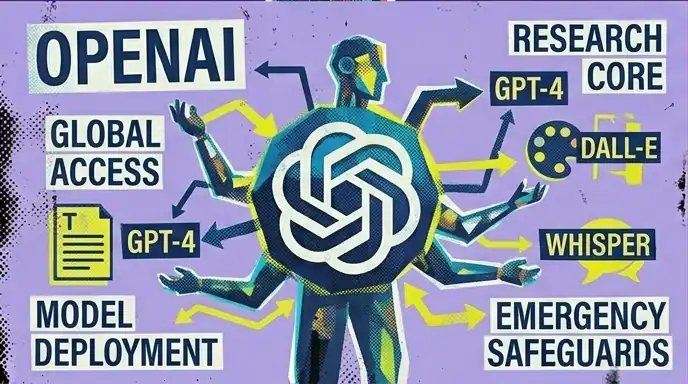
GPT-4o Model Release:
OpenAI has officially unveiled GPT-4o, its latest flagship AI model designed to deliver native multimodal capabilities across text, audio, and visual inputs. The model facilitates real-time interaction, drastically reducing latency for voice conversations to match human-like response speeds of approximately 320 milliseconds. By unifying these modalities within a single neural network architecture, OpenAI aims to significantly enhance accessibility for desktop and mobile users worldwide.
Technological Evolution:
This development marks a transition from the previous multi-model approach where separate systems handled speech, vision, and text processing. By consolidating these functions, the model maintains consistent information across different media, allowing for richer contextual understanding during live demonstrations. The release addresses growing industry demand for lower latency and more fluid interaction interfaces, which developers have identified as critical hurdles for widespread AI adoption in productivity and consumer-facing applications.
Market Implications:
The immediate rollout of GPT-4o to both free and paid users signals a strategic effort by OpenAI to solidify its leadership in the competitive generative AI landscape. Industry analysts expect this shift to pressure rival firms like Google and Anthropic to expedite the release of similar low-latency, multimodal systems. For Indian tech companies and developers, the integration of these capabilities into local applications could streamline customer support automation and multilingual voice-driven services, thereby accelerating the digital transformation of various service-oriented sectors across the nation.
Pulse Intelligence
Context & ImpactContext & Background
- OpenAI previously maintained distinct models for voice recognition and text generation, creating latency issues during complex interactions.
- The competitive race between OpenAI, Google, and Anthropic has intensified, focusing on reducing compute costs and response times for multimodal models.
Key Consequences
- Widespread integration of GPT-4o into third-party software will likely raise the standard for user interface responsiveness.
- Competitors will face increased pressure to launch integrated multimodal architectures to maintain market share.
- The accessibility of high-performance models may disrupt traditional call-center and customer-support roles as AI efficiency increases.
Market & Economic Impact
The launch is expected to drive increased enterprise investment in multimodal AI infrastructure, impacting technology sector growth and service delivery costs in India.
The Indus Pulse is committed to accuracy and transparency.