
19 Aug 2026, 07:32 AM 2 min readaideveloping
OpenAI Launches ChatGPT for Teens With Global Parental Guardrails
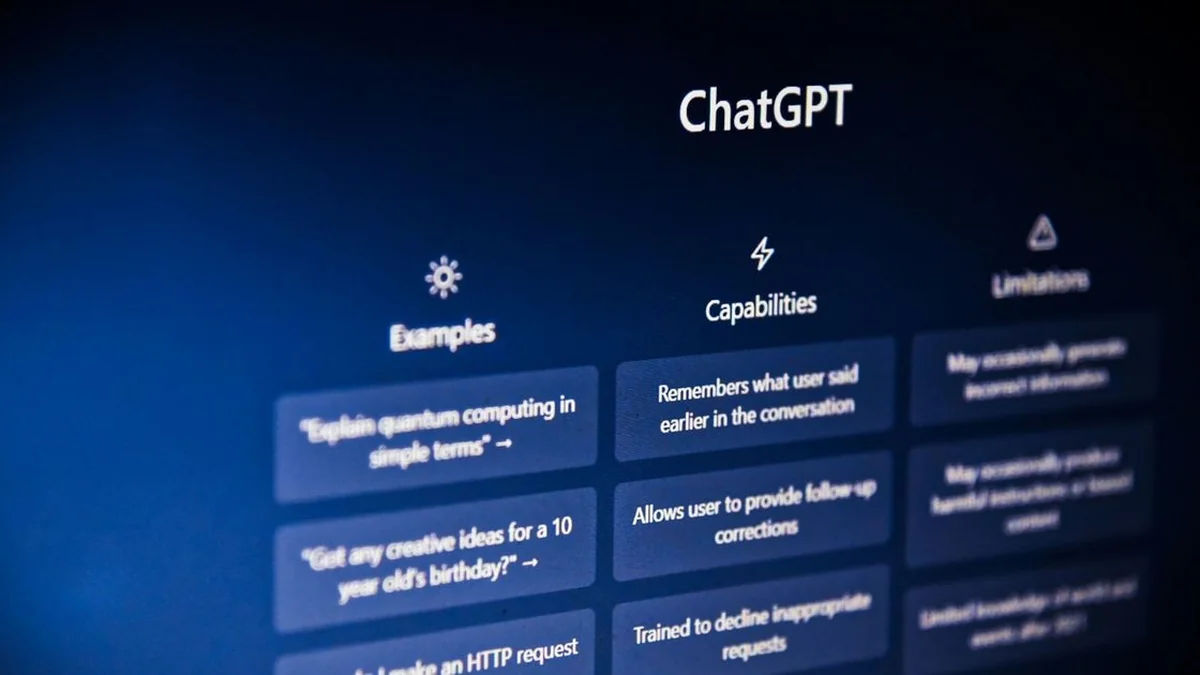
Teen-Focused AI Access:
OpenAI has officially introduced a specialized version of ChatGPT tailored for users aged 13 to 17, marking a global rollout of an education-centric AI experience. This version features a 'Study Mode' designed to provide step-by-step explanations for complex academic subjects like science and mathematics rather than simply generating answers. The system integrates robust safety guardrails that filter out adult, harmful, or biased content to ensure a secure environment for younger learners. Furthermore, OpenAI has implemented new parental controls allowing guardians to manage privacy settings and monitor usage frequency, with a default policy that prevents teen chat history from training future AI models.
Educational Safety Strategy:
The move seeks to address long-standing concerns regarding the safety and academic integrity of generative AI in classroom settings. By pivoting from an 'answer machine' to an educational tutor, OpenAI aims to foster critical thinking rather than providing shortcuts for school assignments. The platform's tone has been developed in consultation with child safety experts to remain pedagogically sound, providing a regulated alternative to unrestricted AI tools that many students previously accessed. This strategy reflects a broader industry shift toward responsible integration of AI into global education systems.
Impact on Indian Education:
For India, a country with one of the world's largest digital-first student populations, this launch offers a potential bridge between traditional classroom learning and modern digital literacy. As schools in major hubs like Delhi, Mumbai, and Bengaluru refine their policies on AI-assisted learning, this regulated tool could set a new standard for local edtech adoption. The success of this platform in India will depend on its ability to support regional languages and adapt to local curriculum contexts, while parents and teachers continue to monitor its effectiveness in preventing academic dishonesty.
Pulse Intelligence
Context & ImpactContext & Background
- OpenAI previously required users to be at least 13 years old but lacked specific features or monitoring tools tailored for younger age groups.
- Global education boards have expressed concern that unrestricted AI access could lead to mass plagiarism and the erosion of student critical thinking.
- Educational institutions have struggled to balance the integration of AI tools with the need to maintain academic integrity and student safety.
Key Consequences
- Educational institutions may begin officially adopting this regulated AI version into their formal teaching curricula and digital literacy programs.
- Competitors like Google and Meta are expected to accelerate the release of their own youth-focused AI features to compete in the education sector.
- The shift may force schools to redesign their approach to homework and standardized testing to distinguish between AI-assisted learning and cheating.
Market & Economic Impact
This expansion strengthens OpenAI's position in the global edtech market and could drive higher long-term user retention in the younger demographic.
The Indus Pulse is committed to accuracy and transparency.