
Ai Desk July 16, 2026 at 06:01 AM 2 min readaideveloping
OpenAI Develops Intelligent Smart Speaker With ChatGPT
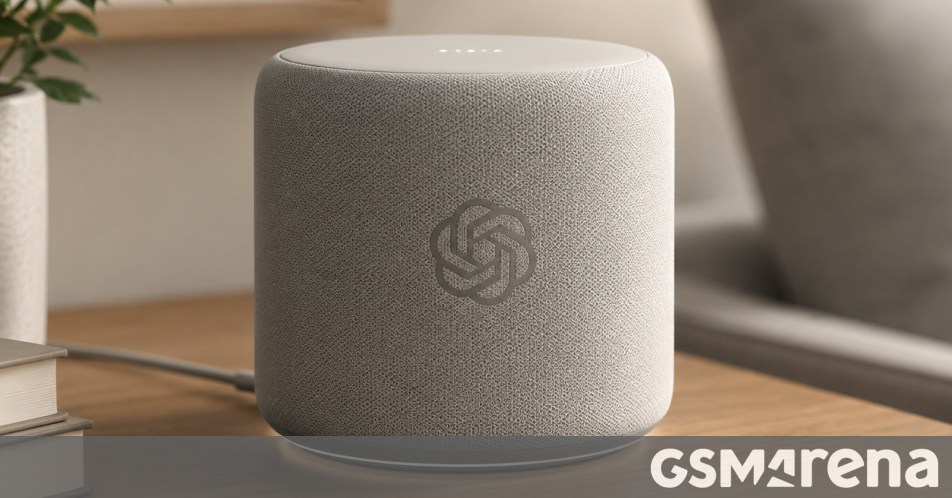
OpenAI Smart Speaker Development:
OpenAI is reportedly developing an advanced screen-less smart speaker that integrates ChatGPT directly into the home ecosystem. Designed by Jony Ive's LoveFrom design studio, the device functions as a physical manifestation of the AI chatbot. It features a rechargeable battery and portability, allowing users to move it throughout their home environment with ease. The company aims to prioritize a human-like personality, using sophisticated sensors and cameras to perceive context and proactively assist users with tasks before requests are even made.
Technical Innovation and Design:
The hardware incorporates mechanical elements that move, creating a perceived sense of presence and interactivity. The device leverages a highly advanced iteration of ChatGPT’s voice mode to enable fluid, natural back-and-forth communication. By utilizing former Apple engineers and designers, the team is emphasizing user connection and personalization as the primary value proposition. This product marks the first official venture from the acquisition of Jony Ive's former firm, io Products, merging cutting-edge AI software with high-end industrial design principles.
Market Expectations and Future Launch:
Industry analysts anticipate a formal unveiling later in 2026, with a retail release scheduled for 2027. The speaker represents OpenAI’s strategic push into the physical hardware space, challenging existing incumbents in the smart home sector. While exact pricing remains unconfirmed, the focus on proactive intelligence and personality suggests a premium market entry. The success of this device will likely hinge on consumer acceptance of its proactive behaviors and the privacy implications of its built-in sensor suite in personal living spaces.
Pulse Intelligence
Context & ImpactContext & Background
- OpenAI acquired Jony Ive's design studio, io Products, to bolster its hardware development capabilities.
- The company has previously focused exclusively on software and platform-level AI models like the GPT-4 series.
Key Consequences
- The device will likely compete with established smart home ecosystems from Amazon, Google, and Apple.
- Proactive AI features could create new paradigms for home automation but will invite scrutiny regarding user privacy and continuous surveillance.
Market & Economic Impact
No direct market impact.